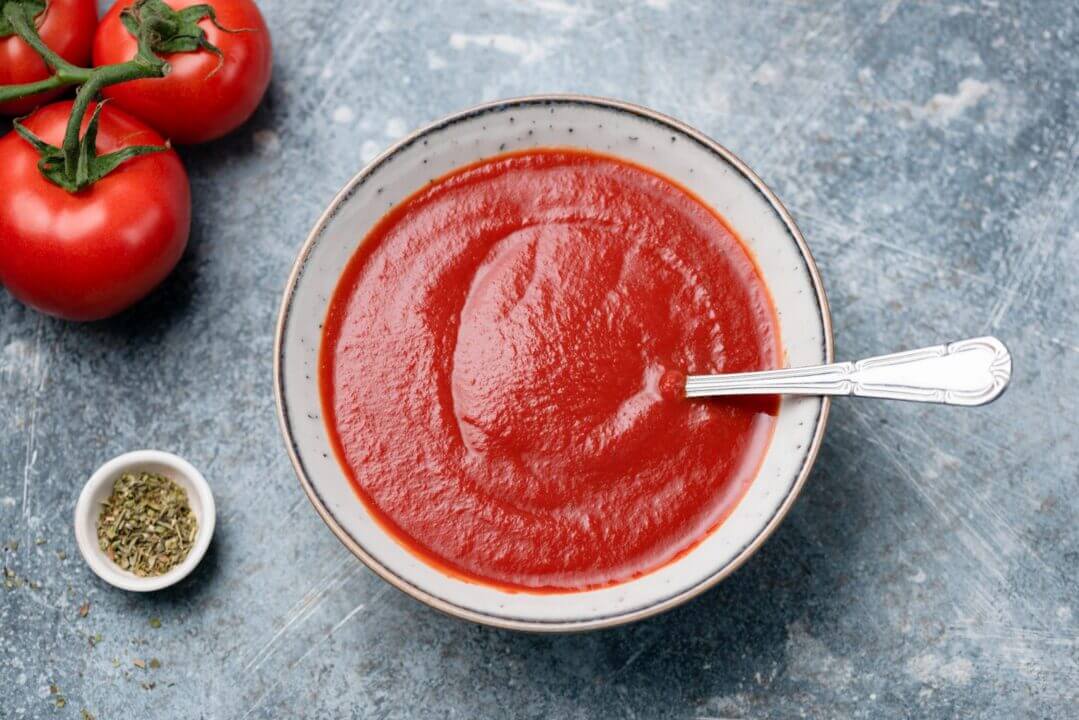
Tomato Paste Cold Break 36-38%
Cold break tomato paste at 36-38% Brix, produced from Egyptian tomatoes harvested at full maturity. The higher concentration carries the same cold break characteristics as our 28-30% line in roughly 25% less water, which cuts freight cost per tonne of tomato solids. Packed aseptically without additives or preservatives.

Specifications



Suitable For
Packaging
Packaging
Weight
Storage
 20′ FCL
40′ FCL
Packaging
Sizes
Storage
20′ FCL · Loose
40′ FCL · 21 Pallets
 Wooden Ton Bins
Packaging
Weight
Storage
20′ FCL
40′ FCL
Why Buy at 36-38%
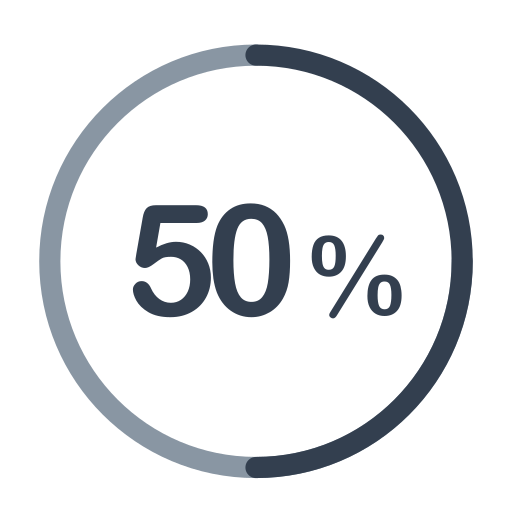
A tonne of 36-38% Brix paste carries roughly 25% more tomato solids than a tonne of 28-30%. You are shipping the same product with a quarter less water in the drum.
That arithmetic drives the whole specification. A 20ft container of 28-30% delivers about 5.3 tonnes of solids; the same container at 36-38% delivers around 6.9 tonnes. Freight, insurance and port handling are charged on weight and volume, not on solids — so the higher concentration moves real cost off every shipment.
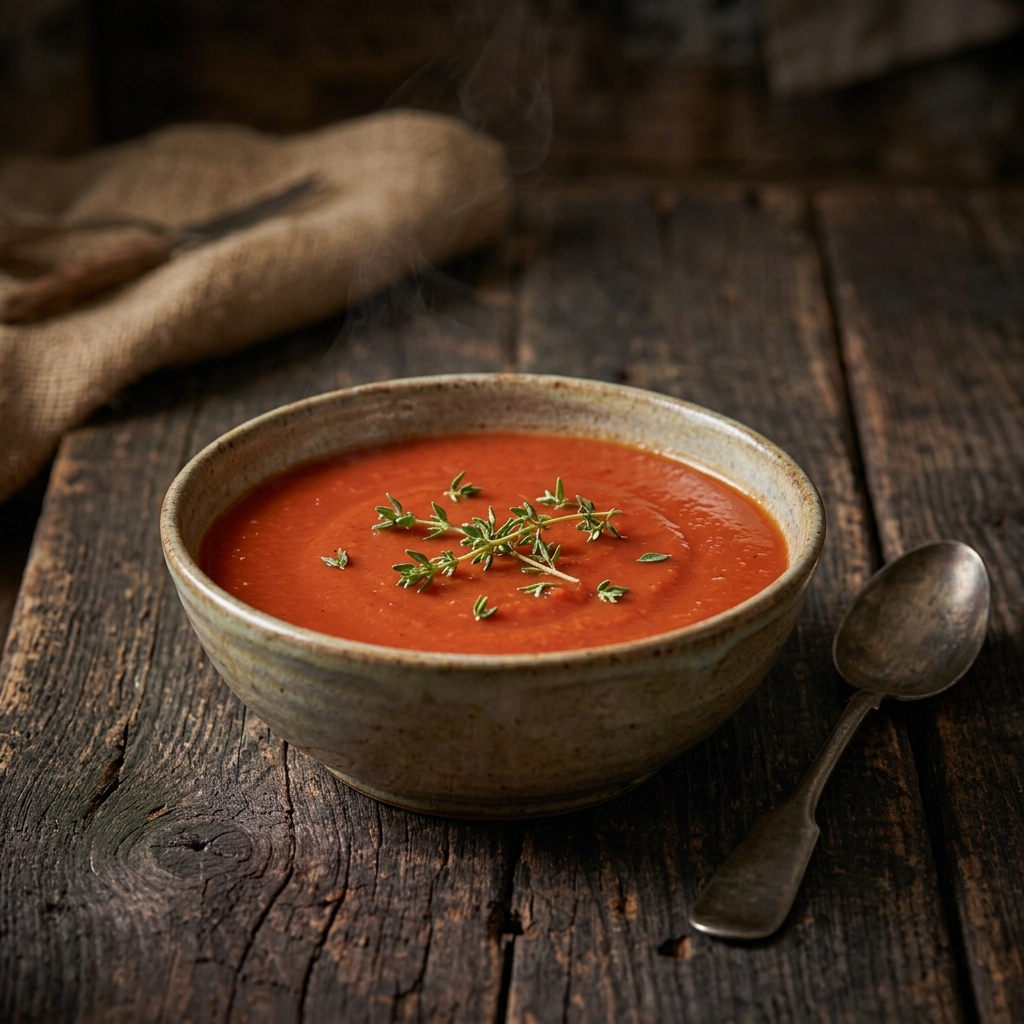
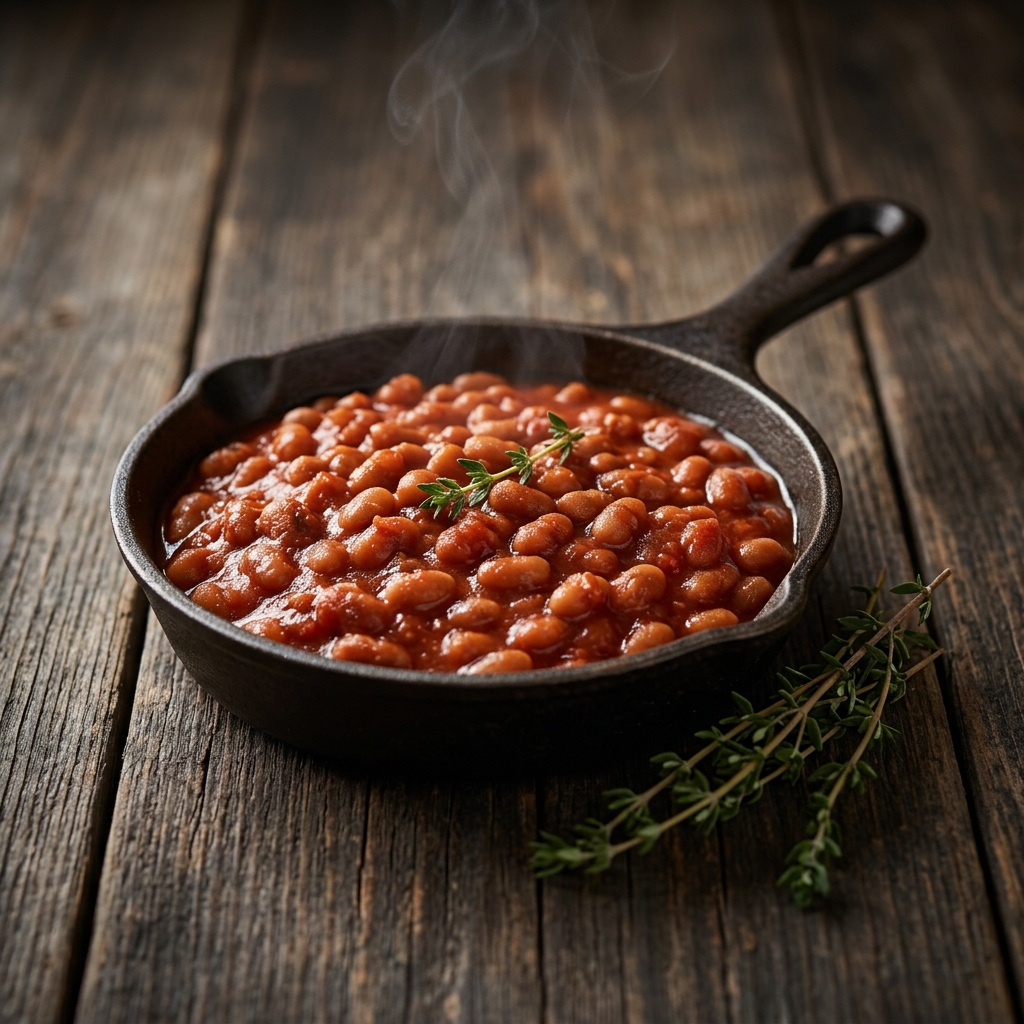
The buyer who wants this is almost always re-manufacturing. Paste arrives concentrated, gets diluted back to working strength with local water, and goes into juices, sauces or canned production from there. Dilution is a simple blending step for anyone already running a mixing line, and it is where the saving is realised.
Everything else matches our 28-30% cold break line. Same lower extraction temperature, same preserved colour at a/b 2.00 to 2.20, same Bostwick of 6.0 to 10.0 cm measured after dilution to 12.5 Brix, same 0.4 to 0.8 mm mesh screen. Diluted to 28-30%, this paste tests the same as the paste we would have shipped at that strength.
Every batch is produced from fresh Egyptian tomatoes without additives or preservatives, in conformity with Egyptian Quality Standards No. 132-1/2015, and filled aseptically for a 24-month ambient shelf life.
Consistency Across the Crop Year
Concentration tolerance is tighter at 36-38% than it looks. A paste that drifts two points of Brix changes the dilution ratio your line is calibrated for, and a buyer re-manufacturing to a fixed target has to re-measure every batch instead of running to a standing recipe.
Holding that band steady depends on fruit quality at the press, which depends on how fresh the crop is. Egypt’s three harvests — winter from January to March, summer from June to August, and the Nile crop from November to December — put fresh fruit through the line across eight months of the year rather than one short window.
IQG Foods grows tomatoes on its own farms alongside contracted growers. Matching variety to season is what lets us quote 36-38% as a working band rather than a nominal figure, and it is why the dilution ratio you set in one shipment should still hold in the next.
Related Products