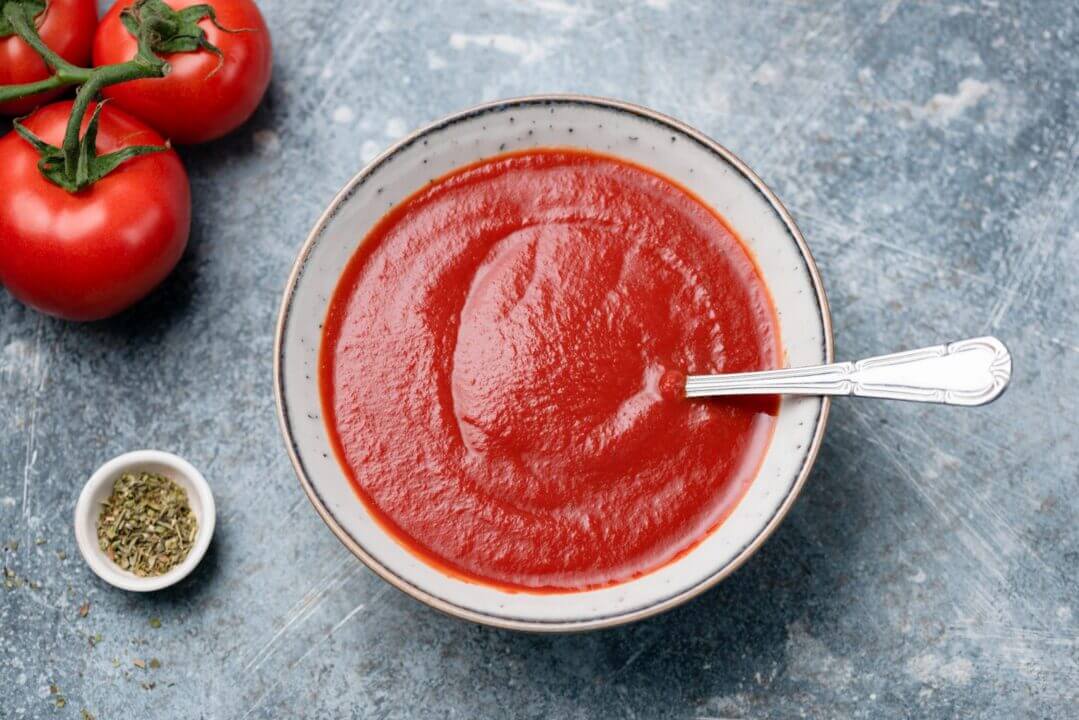
Tomato Passata (Purée)
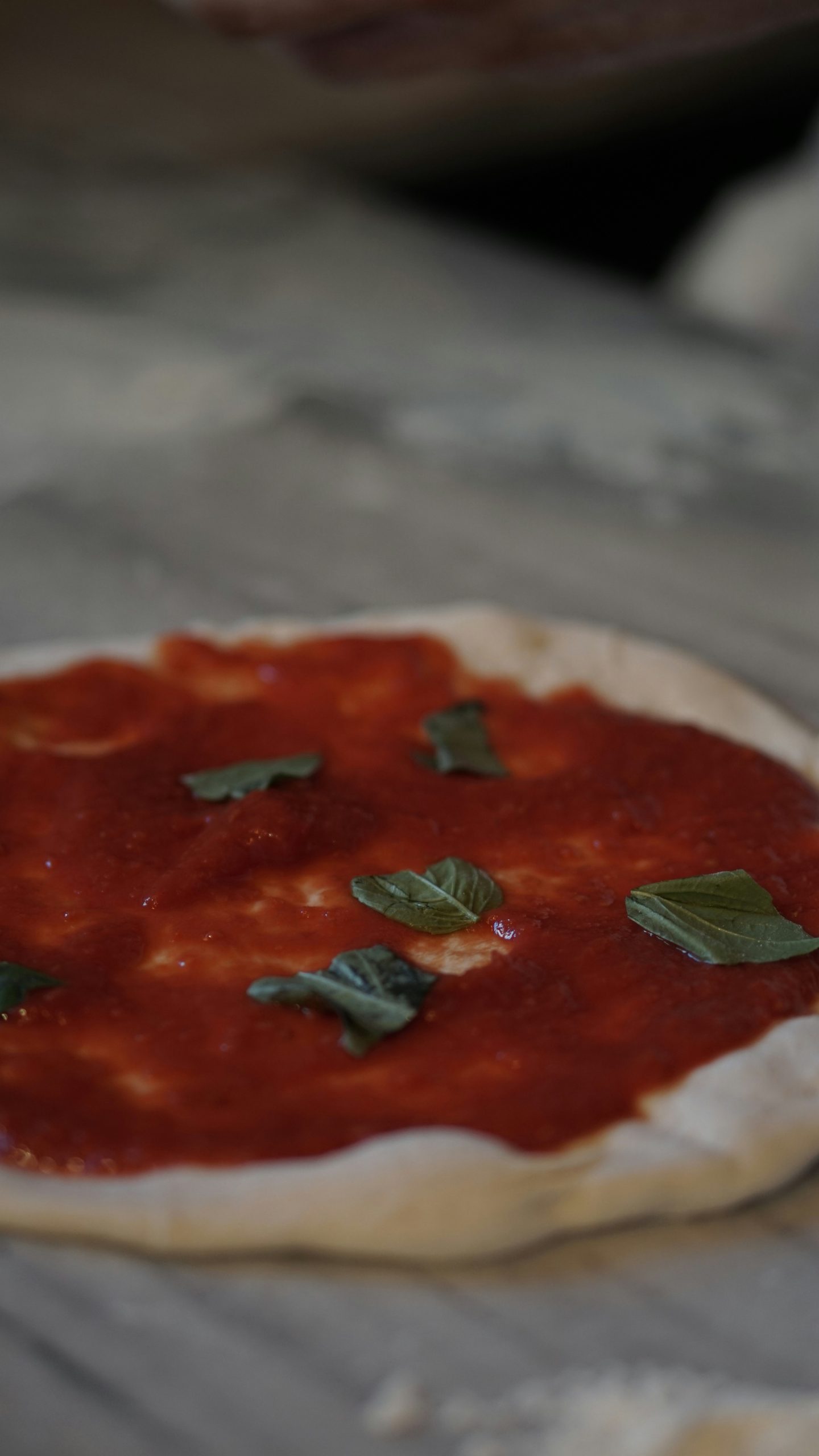
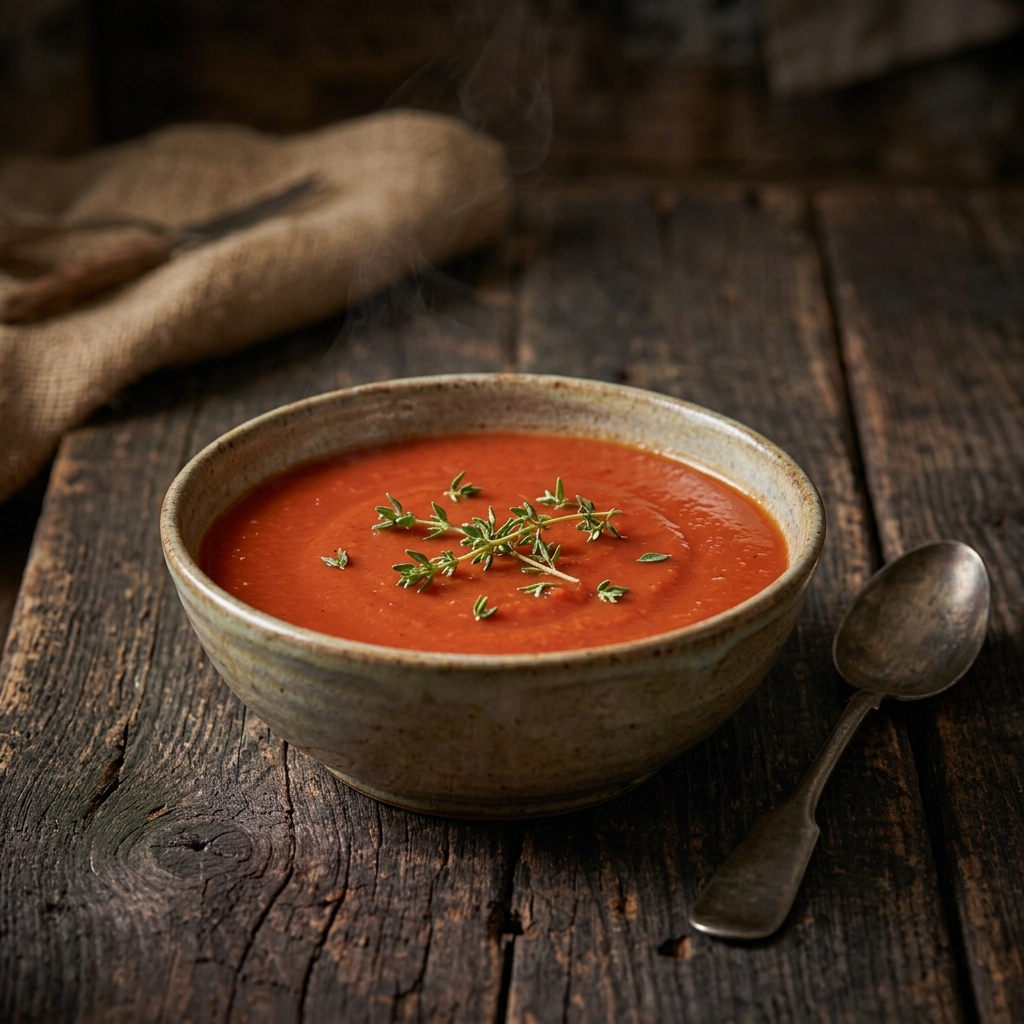
Tomato passata at 6-10% Brix, strained from fresh Egyptian tomatoes with the seeds and skins removed. Unlike a concentrate, passata ships at working strength — it goes into the kettle as it arrives, with no dilution step and no reconstitution loss. Packed aseptically without additives or preservatives.
Specifications



Suitable For
Packaging
Packaging
Weight
Storage
 20′ FCL
40′ FCL
Packaging
Sizes
Storage
20′ FCL · Loose
40′ FCL · 21 Pallets
Packaging
Weight
Storage
20′ FCL
40′ FCL
Concentrate or Passata
Passata and paste concentrate start from the same fruit and end up in many of the same products. The difference is where the water comes out.
A concentrate leaves the factory at 28-38% Brix and arrives at your line as a thick paste that has to be diluted back before it can be used. Passata leaves at 6-10% Brix — close to the strength the tomato was at when it was pressed, with the seeds and skins strained out and nothing else removed. It goes into the kettle as it arrives.
That matters in two places. First, there is no reconstitution step, so no mixing line, no water quality to control, and no batch-to-batch variation introduced by your own dilution. Second, the tomato has been through one fewer heat cycle, which shows in the flavour. For a sauce where the tomato is the main note rather than a base note, that difference is tasted.
The trade-off is freight. You are shipping water that a concentrate buyer leaves behind in Egypt, and a container of passata carries far less tomato solids than a container of 36-38% paste. For producers close to market, or running products where flavour outranks cost per tonne of solids, that trade is usually worth making.
Mesh screen runs 1.0 to 1.2 mm, coarser than our paste lines, because passata is meant to carry some natural body rather than be smoothed completely flat. Two grades are available — 6-8% and 8-10% Brix — so the base can be matched to the viscosity your recipe is built around.
Why Freshness Matters More Here
Every processing step costs flavour. Passata goes through fewer of them than a concentrate does, which is the reason to buy it — but it also means there is less processing to hide behind if the fruit was not good when it reached the press.
A concentrate is cooked down hard, and a mediocre crop can be partly corrected along the way. Passata is strained fruit at close to natural strength. What went into the line is what arrives in your drum.
Egypt’s three harvests — winter from January to March, summer from June to August, and the Nile crop from November to December — put fresh fruit through the line across eight months of the year rather than one short window. Shorter storage before pressing is the single biggest factor in how a passata tastes on arrival.
IQG Foods grows tomatoes on its own farms alongside contracted growers. Controlling variety and picking date is how we hold flavour and colour steady across a product that has nowhere to hide.
Related Products