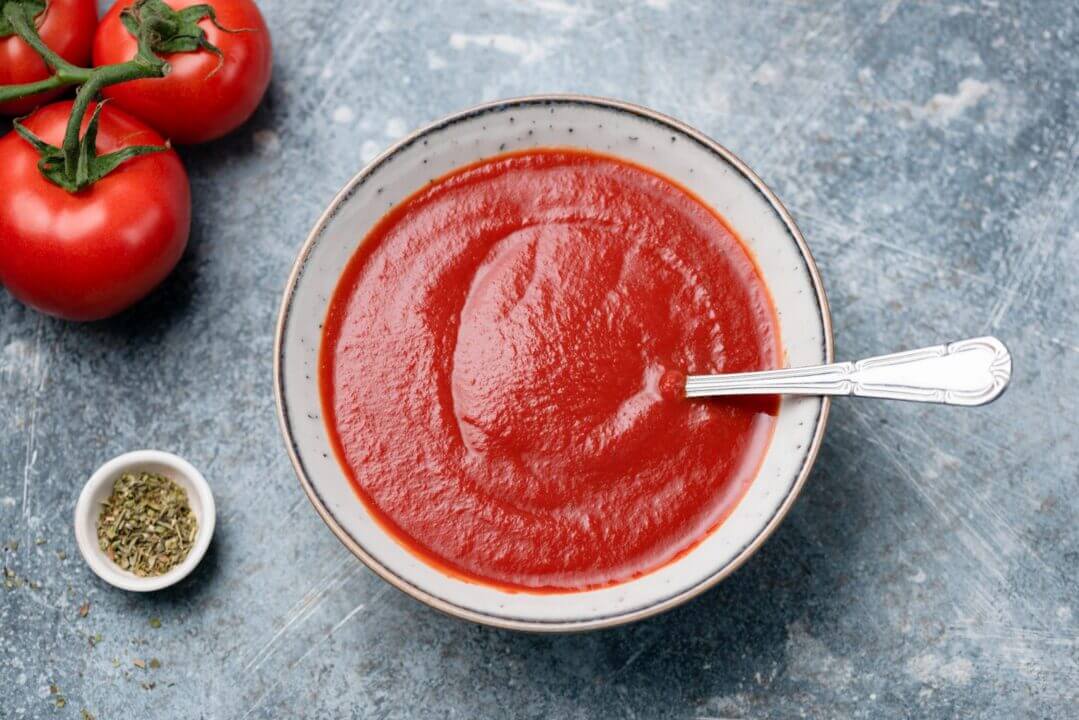
Crushed Tomato – Pizza Sauce
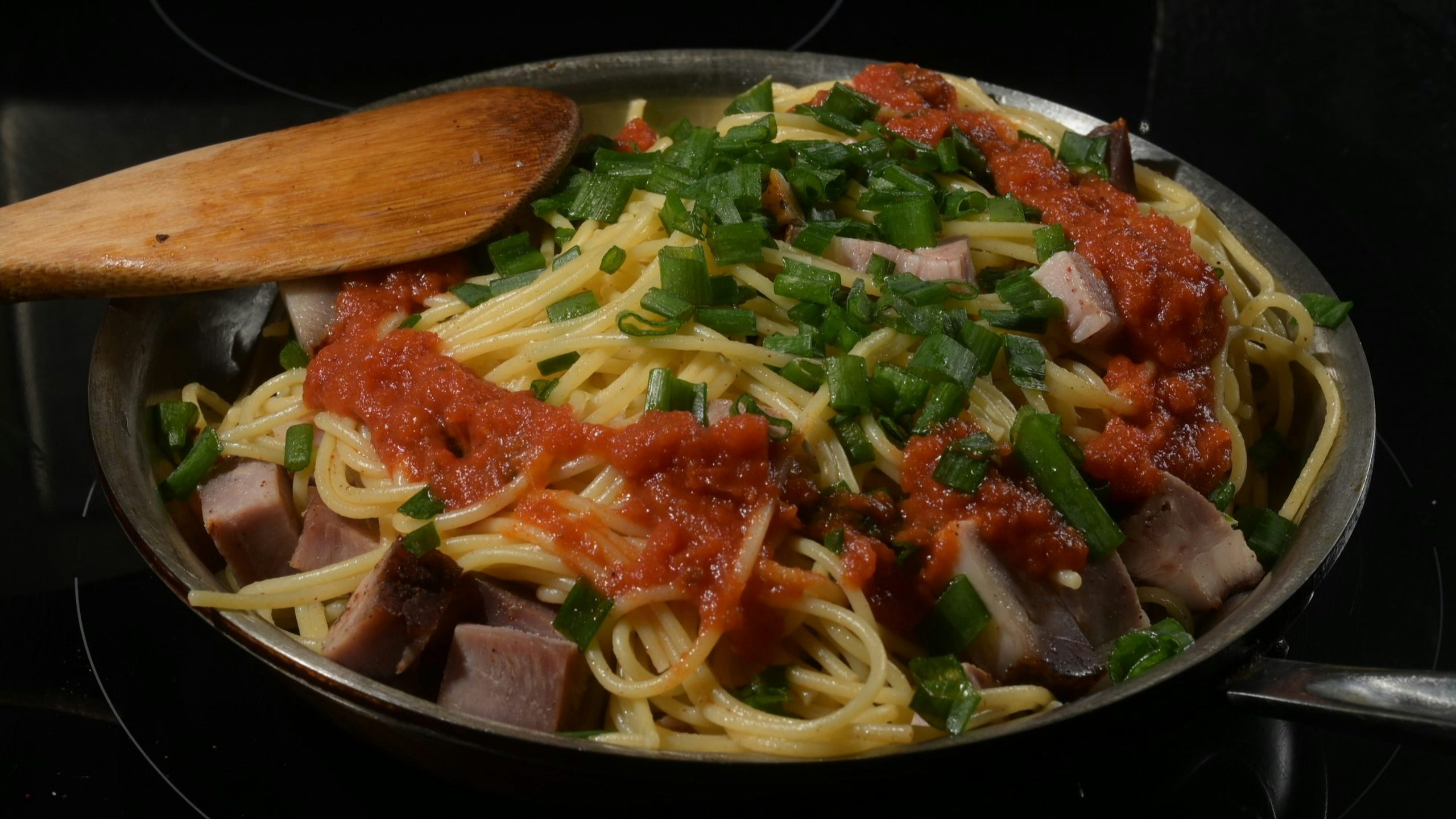
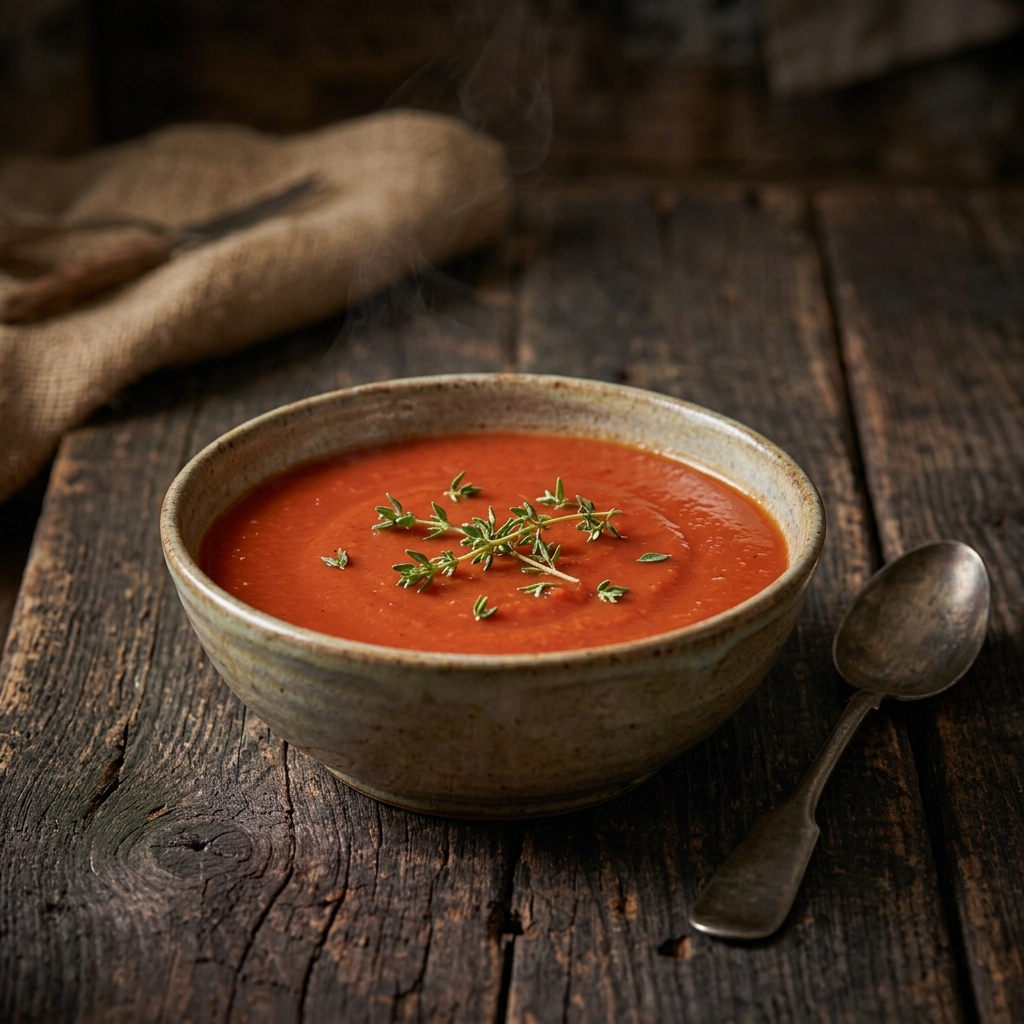
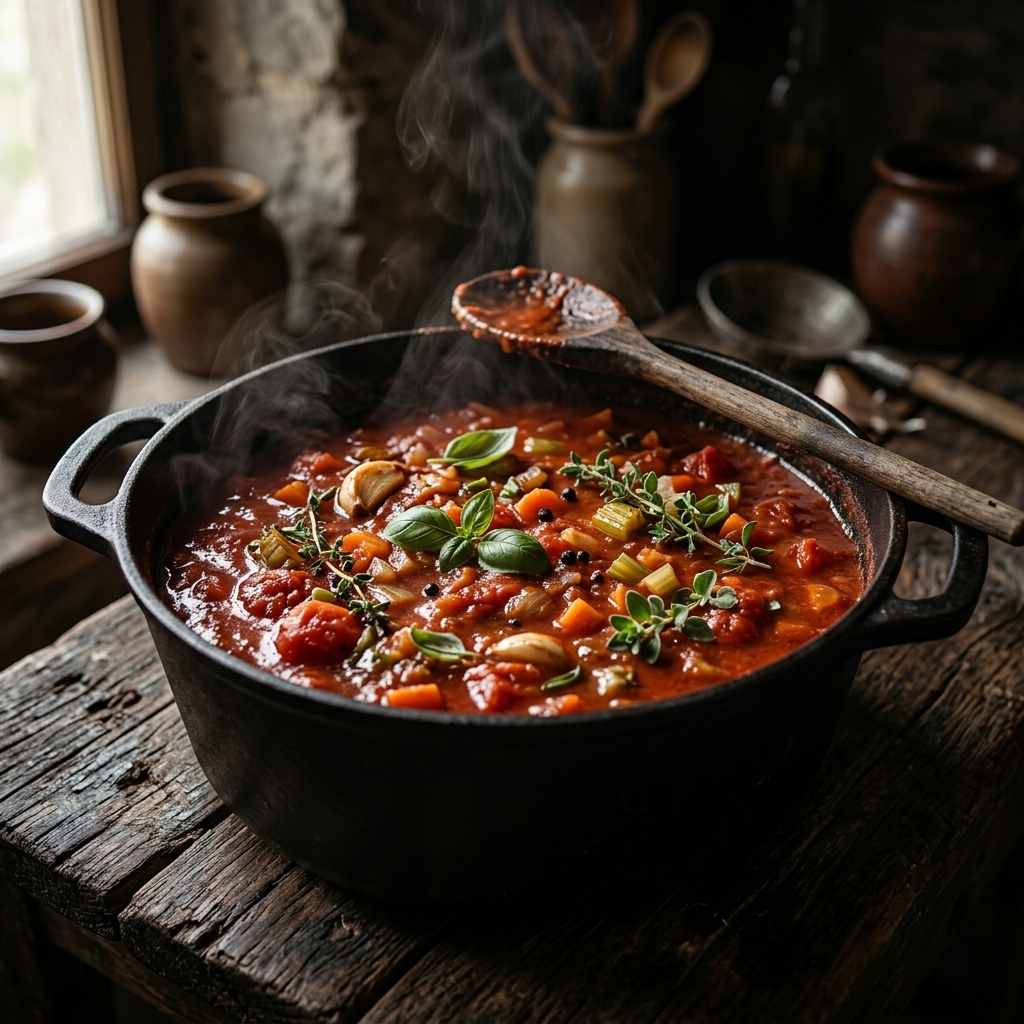
IQG Foods produces crushed tomato pizza sauce in Egypt at 12–16% Brix, known in other markets as passata or polpa, made from fresh red tomatoes picked and processed within hours of harvest. The coarse texture and natural tomato pieces give pizza, pasta and ready meals a fresh-cooked character that concentrate alone cannot deliver. Available with or without seeds and peel, packed aseptically for 24 months at ambient temperature.

Specifications



Suitable For
Packaging
Packaging
Weight
Storage
 20′ FCL
40′ FCL
Packaging
Sizes
Storage
20′ FCL · Loose
40′ FCL · 21 Pallets
Packaging
Weight
Storage
20′ FCL
40′ FCL
Crushed Tomato or Concentrate
The difference between crushed tomato and tomato paste is not just concentration — it is what happens to the fruit. Paste is cooked down until the tomato becomes a uniform mass. Crushed tomato stops much earlier, holding the fruit at 12–16% Brix so the pieces stay visible and the flavour stays close to the raw tomato.
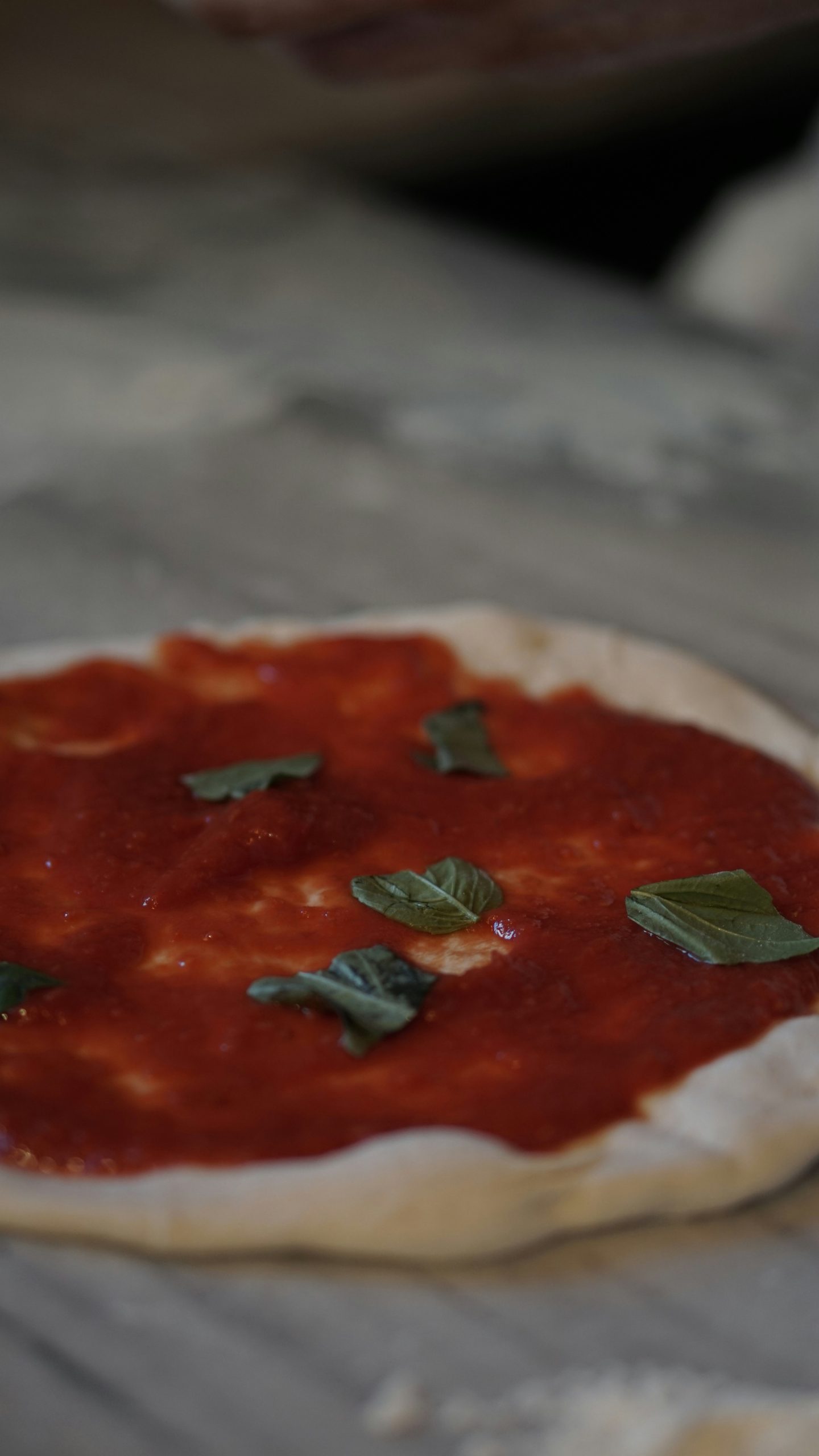
For a pizza producer this matters commercially. A sauce built from concentrate needs water, and water needs seasoning, acid correction and often thickener to bring the body back. Crushed tomato arrives with the body already there. The Bostwick range of 1.0–6.0 cm covers both a looser sauce that spreads easily across dough and a firmer one that holds its position through a hot oven, so the same product serves fresh pizzerias and frozen pizza lines.
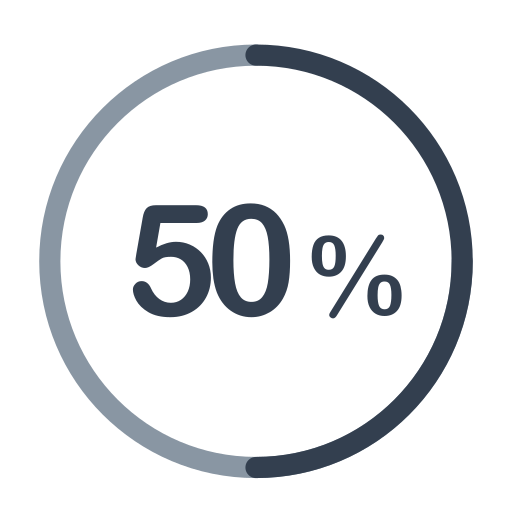
The choice between 12–14% and 14–16% Brix comes down to how much sauce sits on the base. Lower Brix suits a generous spread where the sauce should not overpower the cheese. Higher Brix suits a thinner layer that still needs to carry flavour, and it also reduces the amount of water shipped per tonne of tomato solids.
Mesh screen decides texture. At 3.0–4.0 mm with seeds and peel the sauce keeps a rustic, visibly chunky character that signals a fresh preparation. At 0.8–1.0 mm without seeds and peel the result is smoother and more uniform, which suits automated depositing lines and retail products where a consistent appearance matters across every unit.
Why Hours Matter More Than Months
With concentrate, time between field and factory is forgiving. The tomato is going to be cooked down anyway, and much of what makes a fresh tomato taste fresh is driven off in the process. With crushed tomato the opposite is true. Whatever the fruit brings to the line is what ends up in the drum, which makes the distance between farm and factory a quality specification rather than a logistics detail.
IQG Foods grows tomatoes on its own farms, so the crop reaches the line within hours of picking rather than after a journey through a supply chain. That control runs from variety selection through harvest timing to processing, and it is the reason the pieces hold their shape and the colour stays at a/b 1.90–2.10 rather than dulling toward brown.
Egypt’s three harvest seasons — winter from January to March, summer from June to August, and the Nile crop from November to December — give eight months of fresh fruit each year. For crushed tomato this is a larger advantage than it is for paste. A buyer ordering concentrate can accept stored raw material without much penalty; a buyer ordering crushed tomato cannot, because stored fruit shows up directly in the texture and the taste.
Eight months of fresh crop means production schedules follow demand instead of following storage. For importers running continuous pizza or ready-meal lines, that translates into fewer gaps, less dependence on a single harvest window, and a product that arrives with the same character in March as it does in November.
Related Products