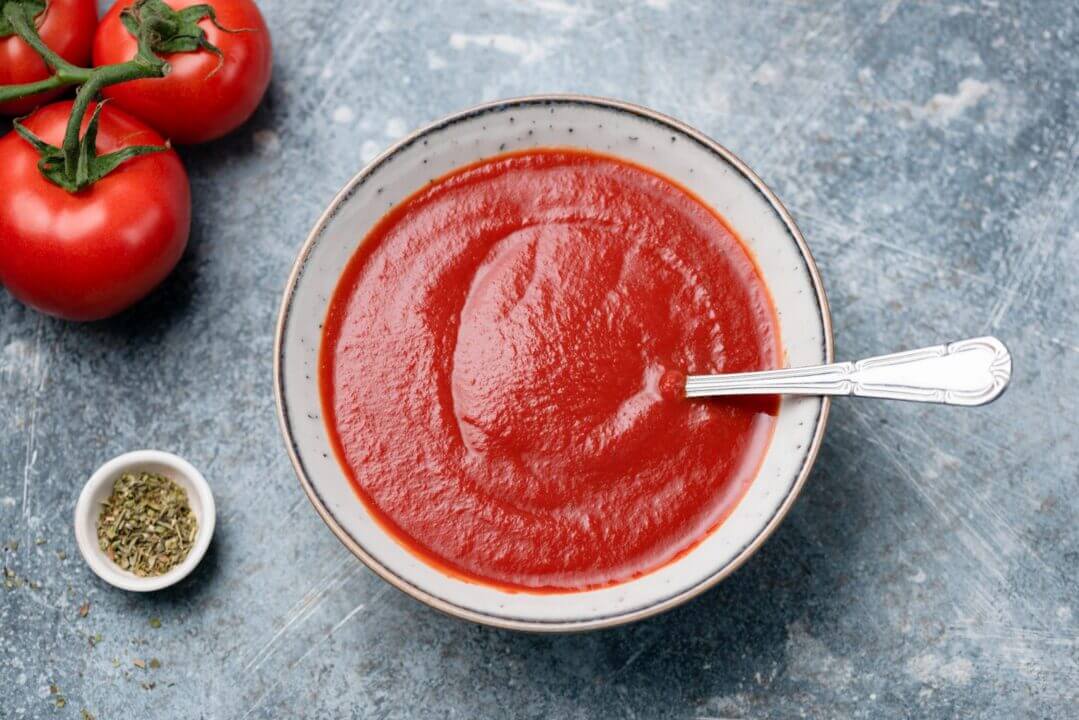
Tomato Paste Hot Break 28-30%
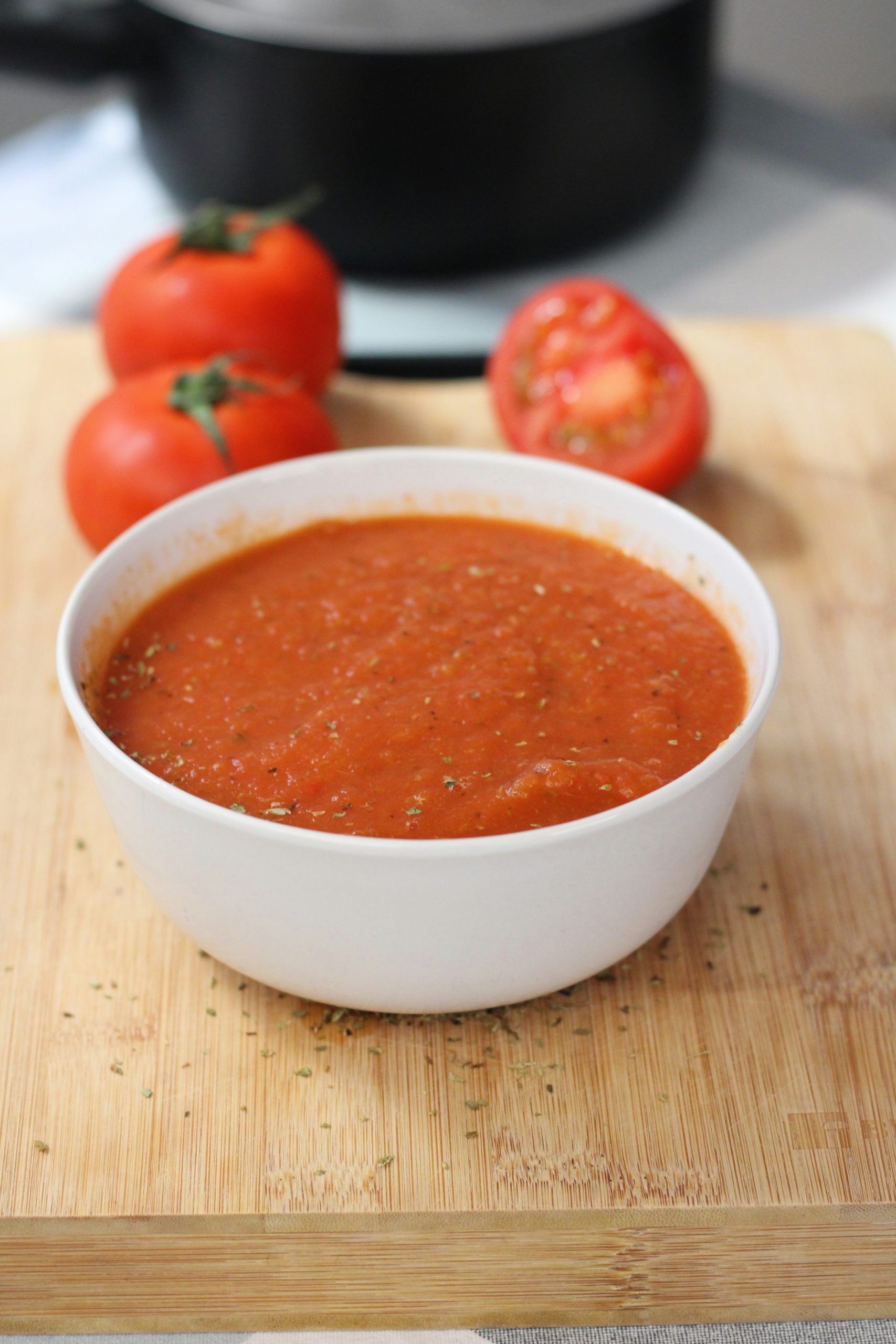
Hot break tomato paste at 28-30% Brix, produced from Egyptian tomatoes harvested at full maturity. The hot break process holds the mash at a high temperature during extraction, which deactivates the enzymes that break down pectin — giving the paste a thicker body and higher viscosity than cold break equivalents. Packed aseptically without additives or preservatives.

Specifications




Applications

Packaging
Packaging
Weight
Storage
 20′ FCL
40′ FCL
Packaging
Sizes
Storage
20′ FCL · Loose
40′ FCL · 21 Pallets
 Wooden Ton Bins
Packaging
Weight
Storage
20′ FCL
40′ FCL
The Hot Break Process
Hot break refers to the temperature applied to the tomato mash immediately after crushing. At 85–95°C the pectinase enzymes are deactivated before they can begin breaking down the natural pectin chains in the fruit.
Pectin is what gives tomato paste its body. Preserving it produces a paste with a Bostwick reading of 4.0–6.0 cm at 12.5 Brix — measurably thicker than cold break paste from the same crop, which typically runs 6–10 cm.
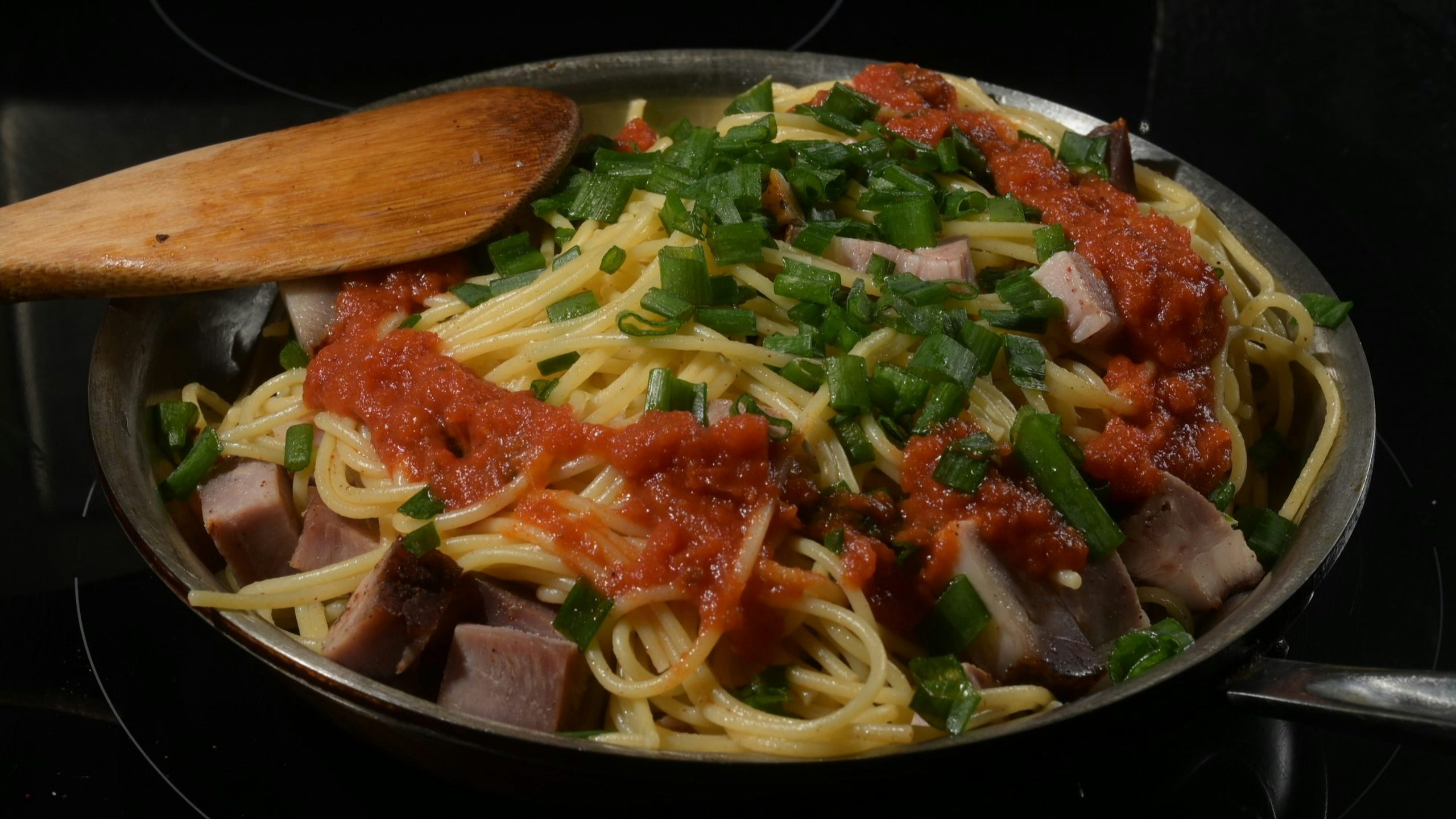
That difference matters when the paste works as a functional ingredient rather than a base. Ketchup, pizza sauce and pasta sauce all depend on viscosity holding through dilution, pasteurisation and shelf storage. A hot break paste carries that structure through the process; a cold break paste does not.
The trade-off is colour. Higher extraction temperature costs a small amount of red intensity, which is why our hot break tomato paste holds a/b at 1.90–2.10 rather than the 2.00–2.20 range of our cold break line. For sauce and ketchup production this is rarely limiting, since colour largely recovers during the customer’s own cooking stage.
Every batch is produced from fresh Egyptian tomatoes without additives or preservatives, in conformity with Egyptian Quality Standards No. 132-1/2015, and filled aseptically for a 24-month ambient shelf life.
Three Egyptian Harvest Seasons
Egypt runs three tomato harvests a year. The winter crop is picked from January to March, the summer crop from June to August, and the Nile crop from October to December. In practice that gives nine months of fresh-crop production out of twelve.
For a buyer this changes two things. Paste produced close to harvest holds better colour and flavour than paste drawn from long-stored fruit, so a nine-month window means more of the year’s output is fresh-season product. It also shortens the stretch you need to cover with your own inventory — a supplier working a single annual crop asks you to hold stock far longer.
IQG Foods grows tomatoes on its own farms alongside contracted growers, which gives us control over the supply chain from variety selection through to the finished aseptic pack. That integration is what allows us to hold specifications consistent from one season to the next.
Related Products