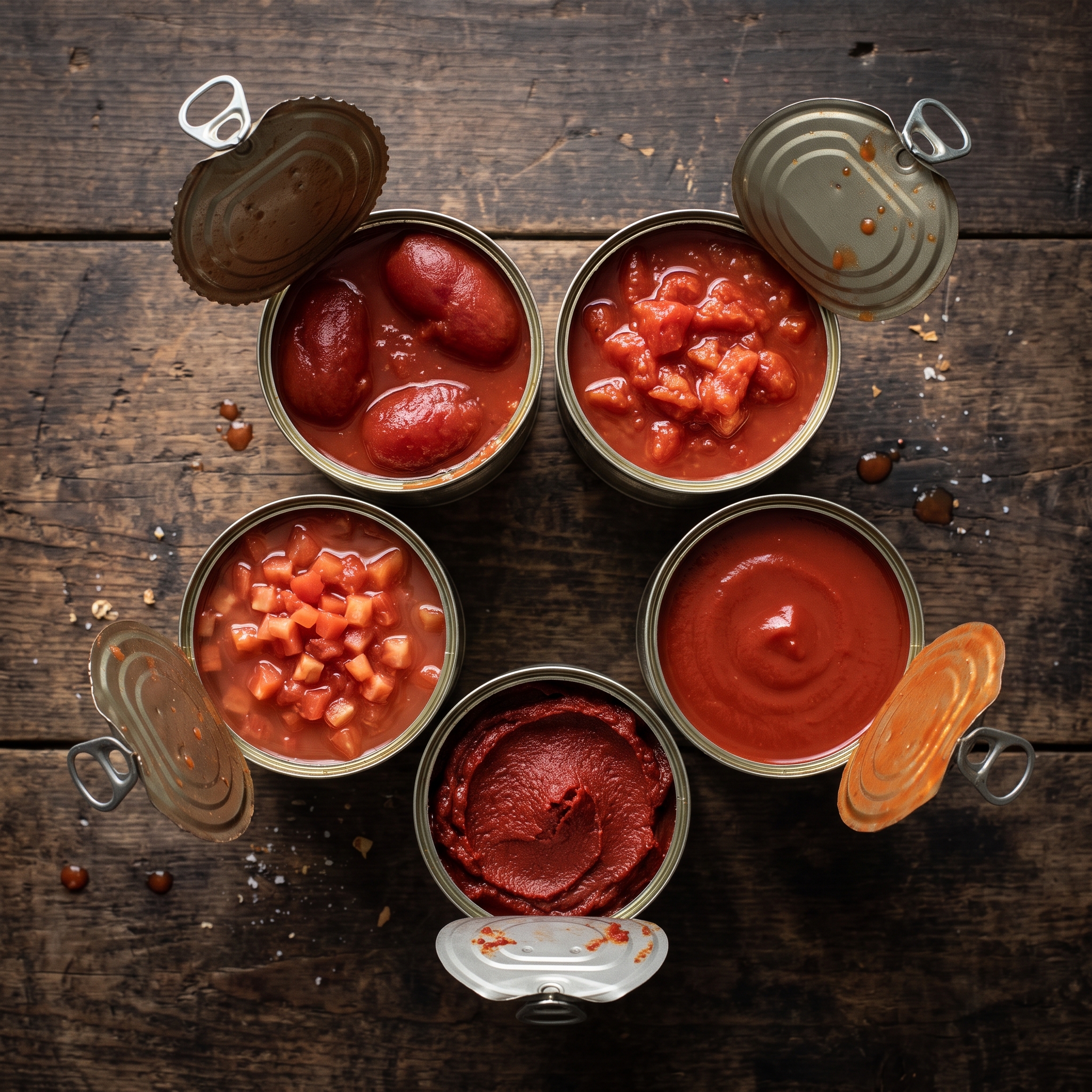
Sun Dried Tomatoes
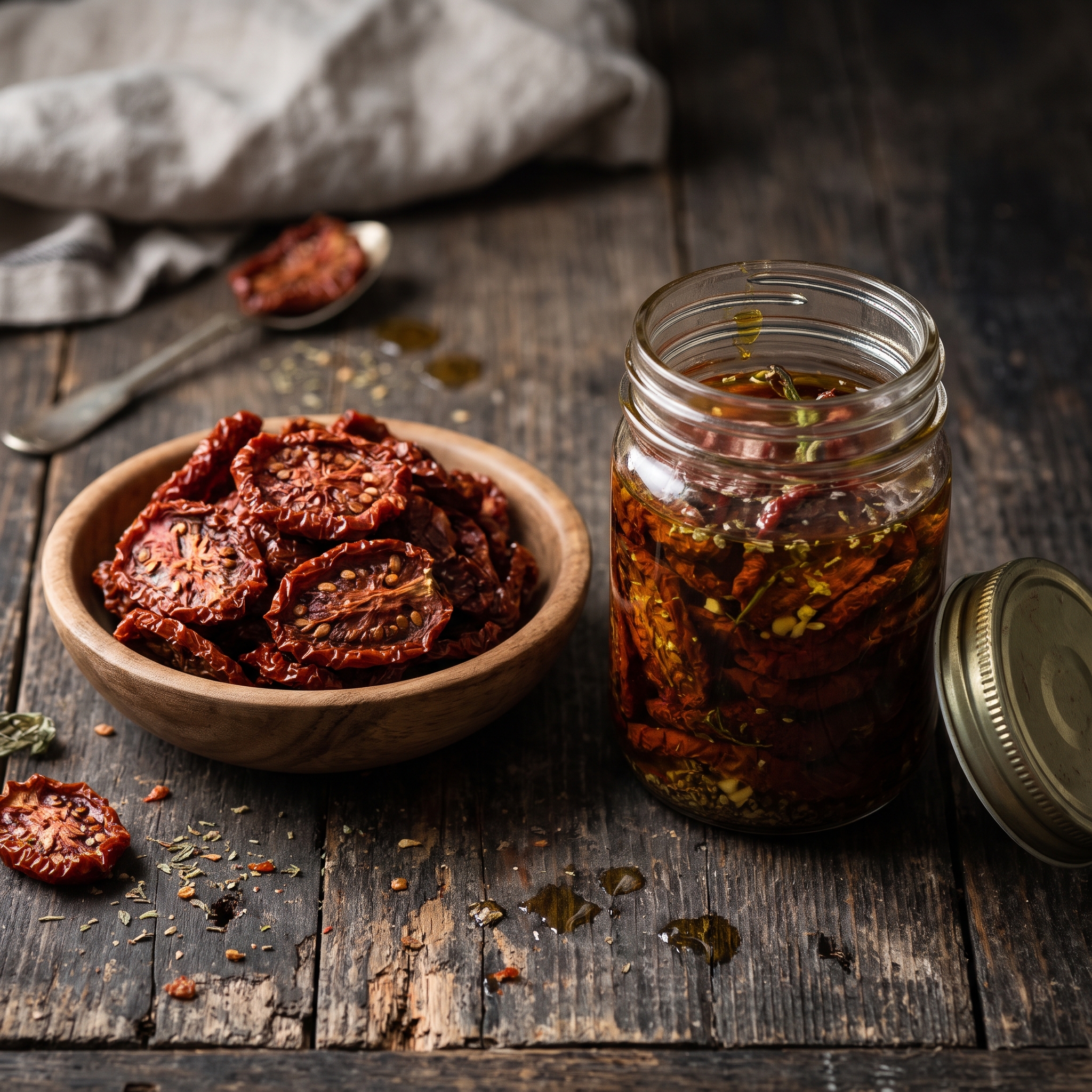
IQG Foods supplies Egyptian sun dried tomatoes, halved and dried under the sun until the water is gone and the sugars have concentrated. Supplied in bulk for manufacturers who rehydrate and formulate themselves, and in glass jar packed in oil with herbs for retail and food service. The same fruit, two formats, decided by what happens to it next.
Ingredients
Sun dried tomatoes
Salt
Moisture
Additives
Rehydrated tomatoes
Sunflower oil
Wine vinegar & salt
Garlic & oregano
Citric & ascorbic acid
Suitable For
Available Package & Sizes
Bag
Carton
Shelf life
280 g
314 g
550 g
Nutritional Facts
Energy
Fat
Carbohydrate
of which sugars
Fibre
Protein
Salt
Energy
Fat
of which saturates
Carbohydrate
of which sugars
Protein
Salt
What Drying Does
A fresh tomato is roughly ninety-four per cent water. Drying takes almost all of it out, and what stays behind is everything that gave the fruit its taste — the sugars, the acids, the glutamates that read on the tongue as savoury. Concentration is why a sun dried tomato tastes nothing like the fruit it came from.
The Egyptian climate does this work without much help. Long dry summers and high daytime temperatures mean the fruit loses water on open racks rather than in a tunnel, which is slower and gentler than forced drying and keeps more of the colour.
What comes off the racks is a half tomato at twelve to fifteen per cent moisture, firm and chewy, deep red going to brick. Salt is added before drying, which draws water out and holds the fruit stable without anything else.
From there it either ships as it is, or it gets rehydrated and packed in oil.
Bulk or Jar
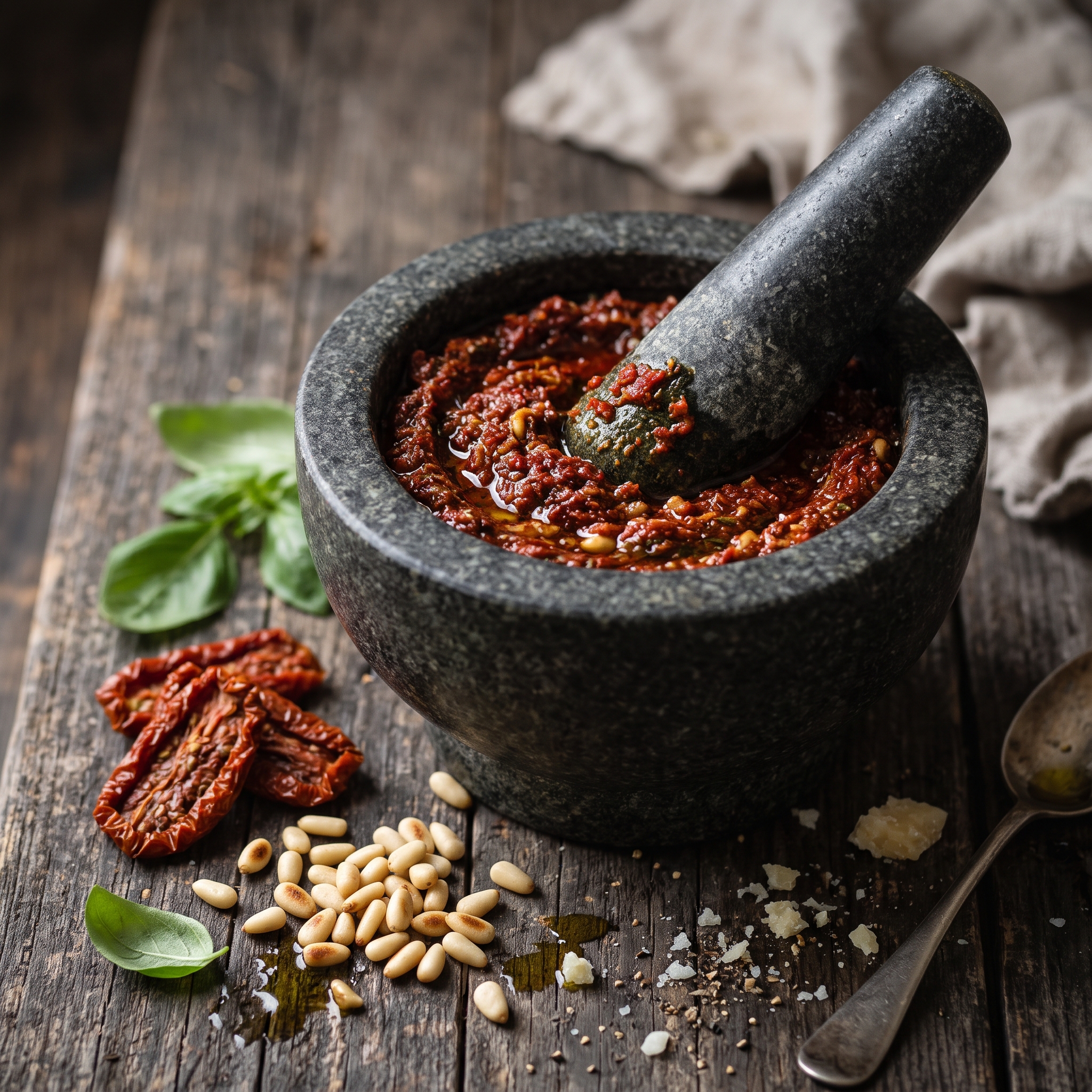
Bulk is the manufacturer’s format. The dried halves ship in 10 kg bags inside 20 kg cartons, and the buyer decides what happens next — rehydration, seasoning, oil, cutting. Pesto producers, bakery lines and sauce plants take it this way because the recipe stays theirs and the freight carries no oil and no water.
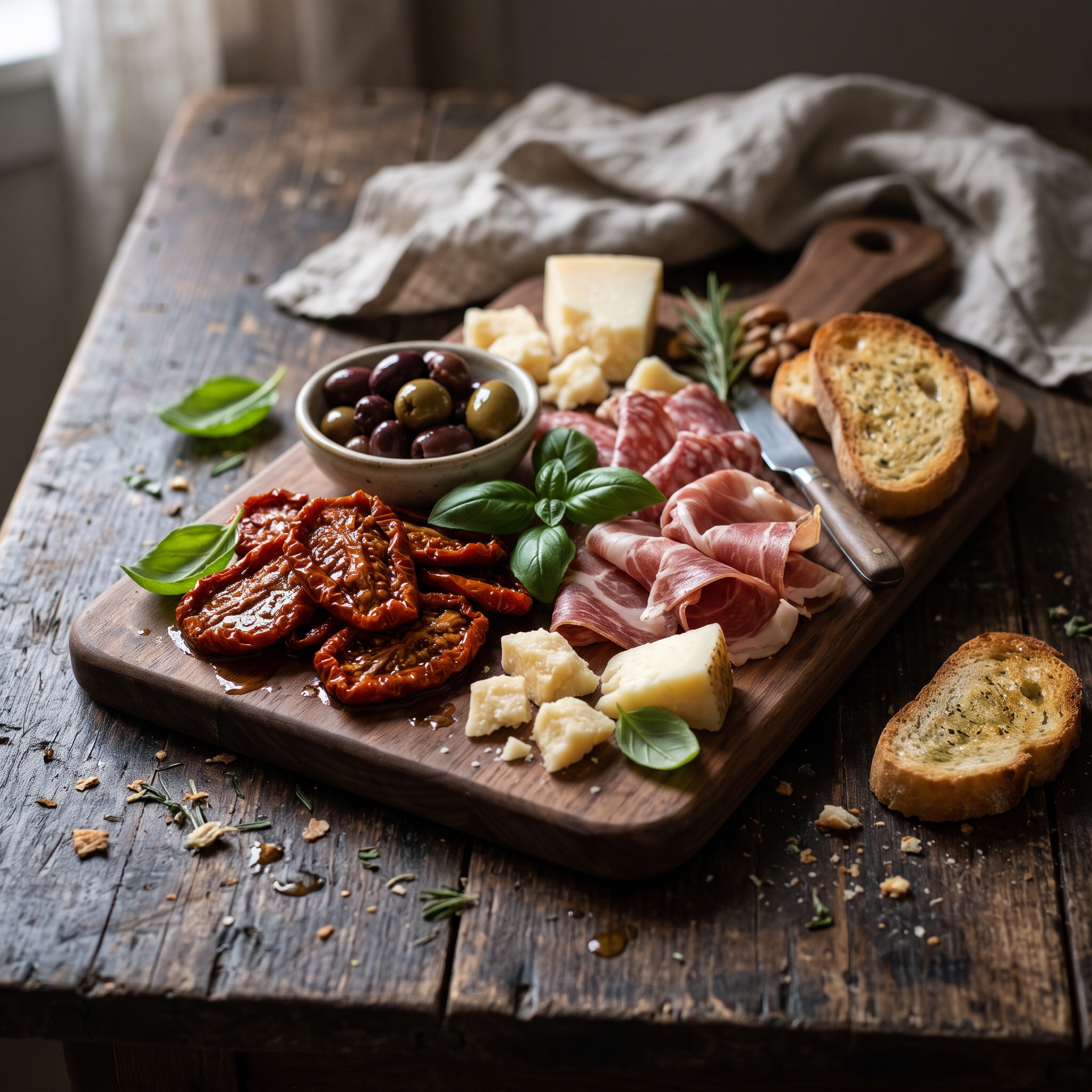
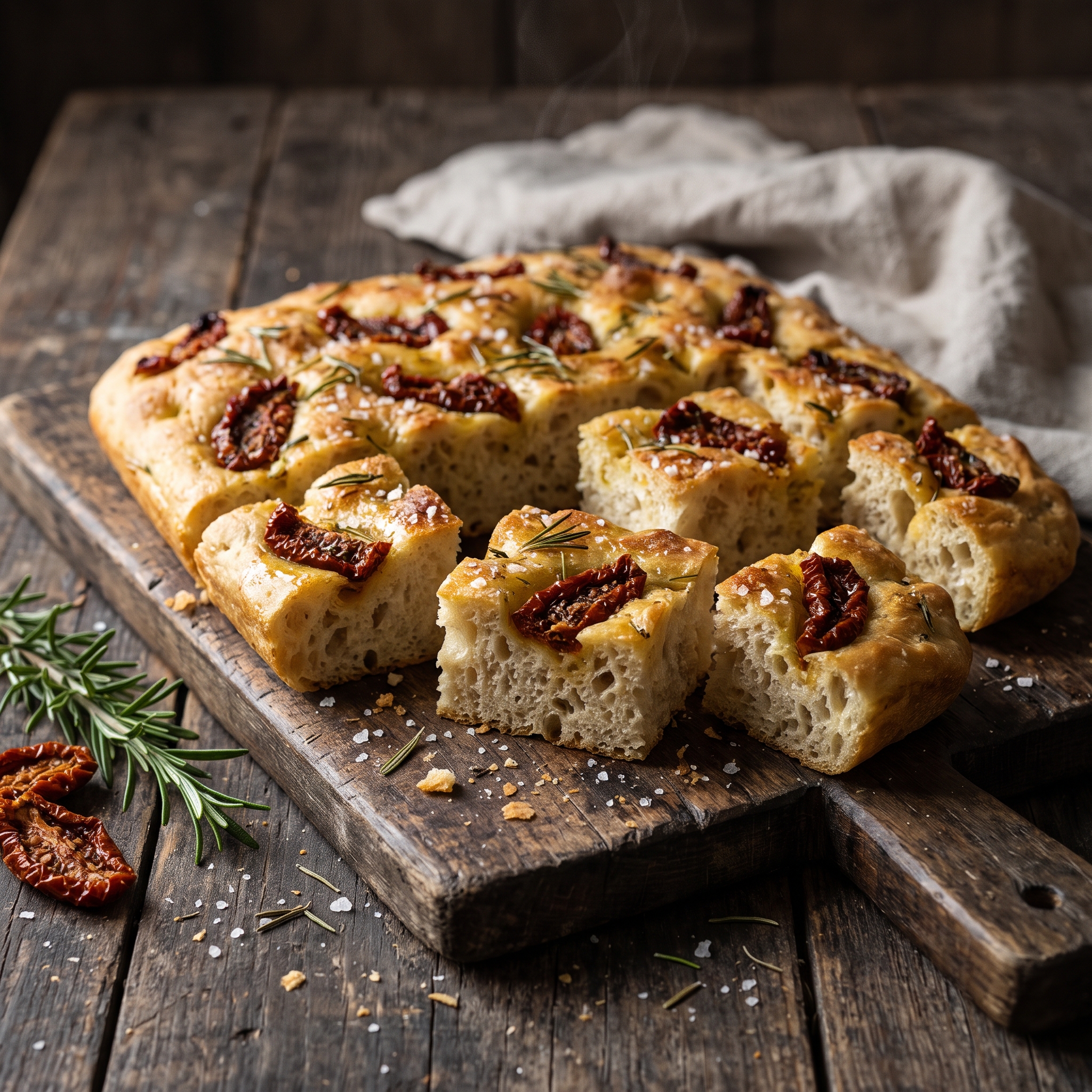
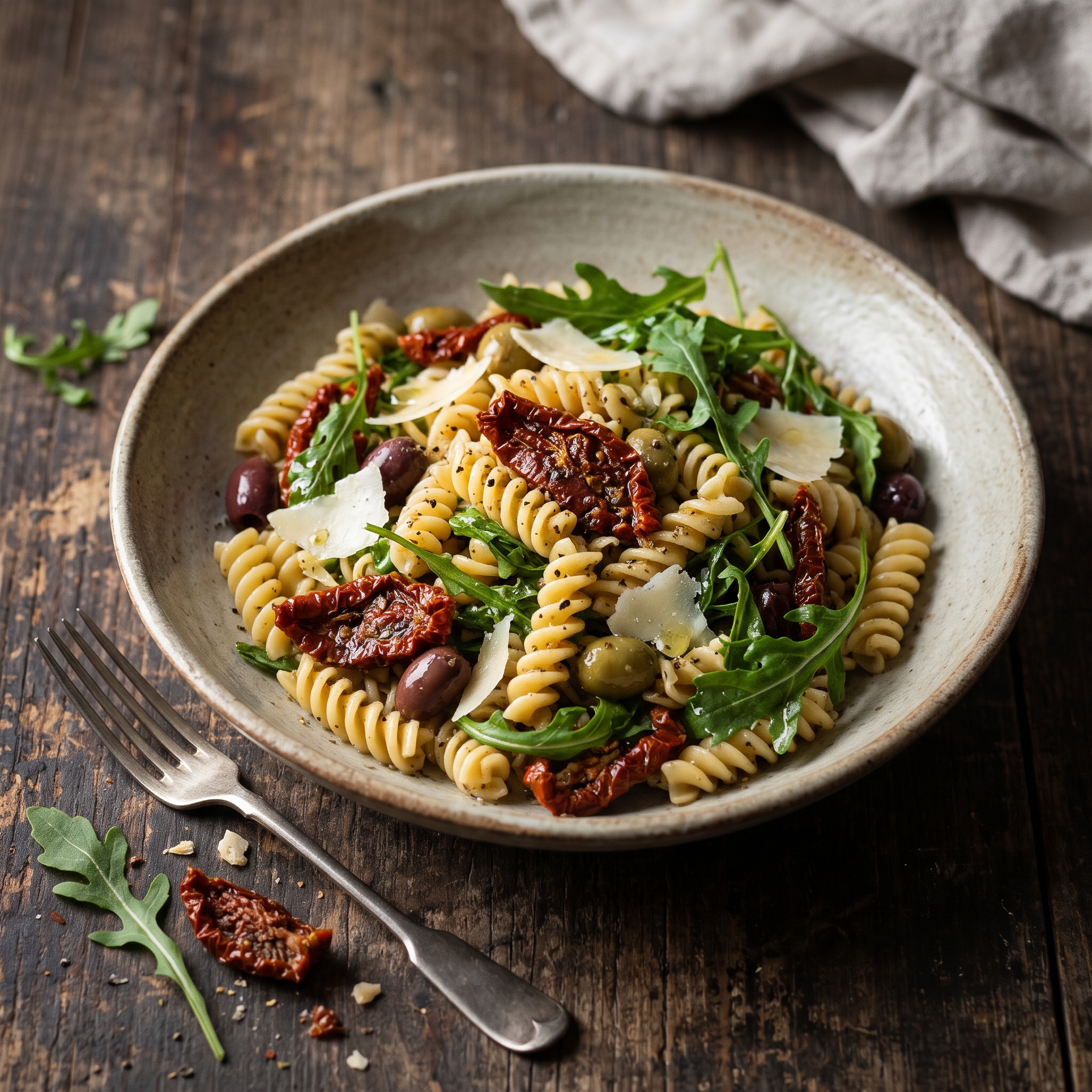
Jar is the finished format. The tomatoes are rehydrated in a vinegar and salt solution, then packed in sunflower oil with garlic and oregano at fifty per cent fruit. It opens and goes straight onto an antipasto plate, into a sandwich or over a pizza, with no preparation at the other end.
The numbers separate too. Dried halves run around 258 kcal per 100 g with almost no fat; the same tomatoes in oil run 200 kcal with ten grams of fat, because half the jar is oil and brine. A buyer comparing the two on price per kilo is comparing two different things.
The decision is usually about who is doing the work. A plant with its own line takes bulk; a distributor supplying delis and restaurants takes jars. Both come off the same drying racks in the same season.
Related Products