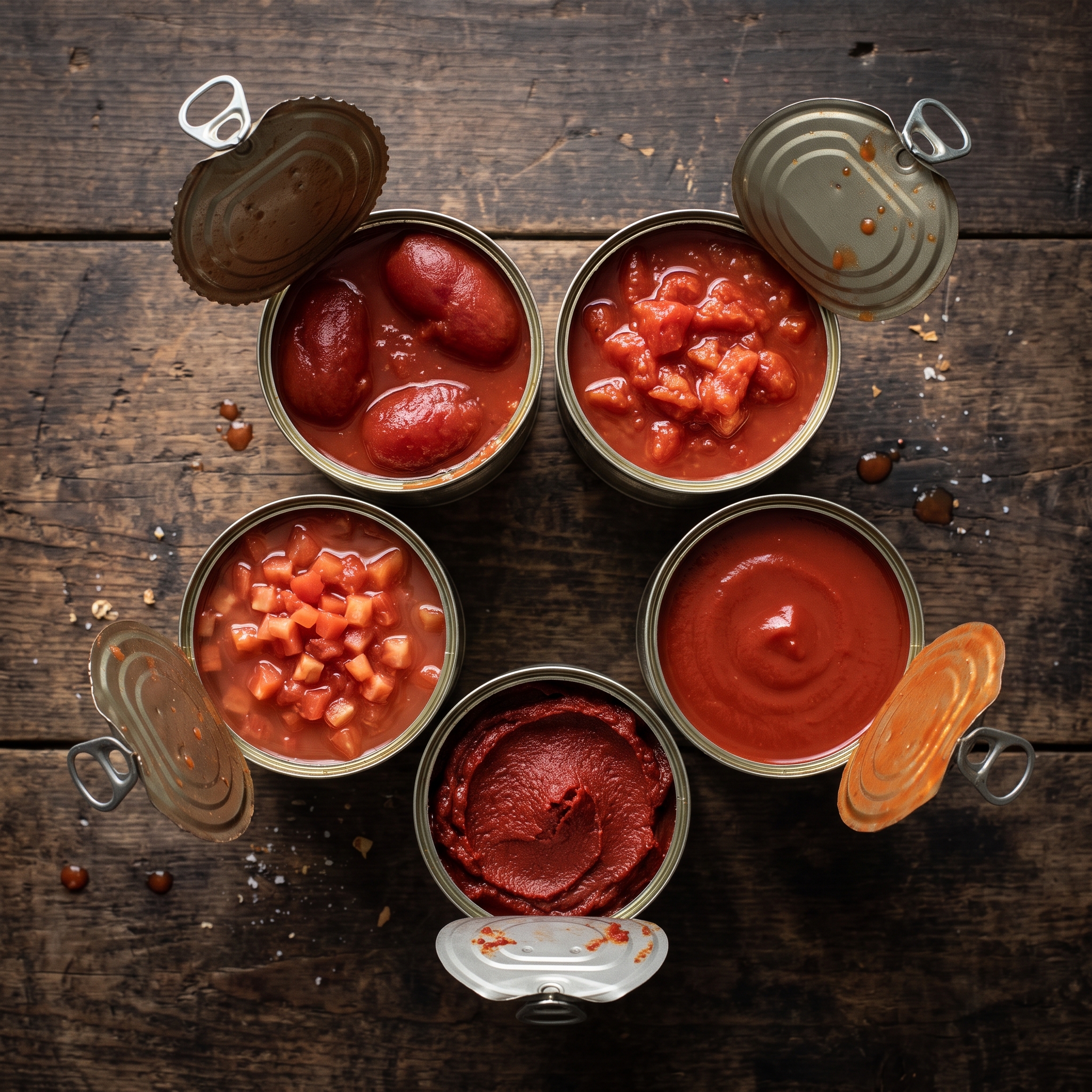
Canned Tomato Paste
IQG Foods produces canned tomato paste in Egypt across five concentrations, from 18/20 up to 28/30, filled into metal tin from 60 g to A12 and glass jar from 200 g to 1030 g. The juice is evaporated under vacuum until the target concentration is reached, then filled and sterilised with tomato and salt on the label and nothing else. The grade decides how much tomato sits in each spoon, and the format decides who it is for.
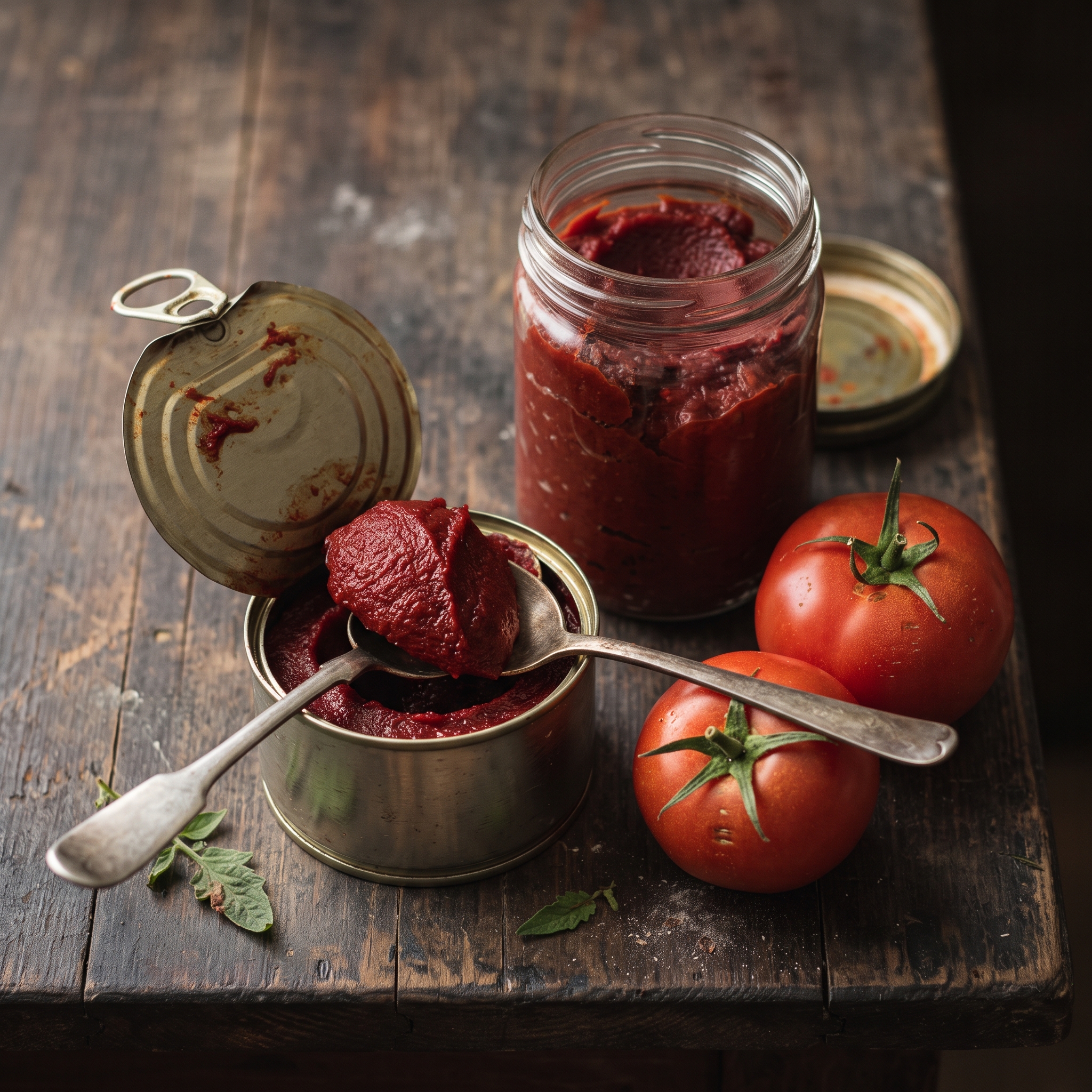
Ingredients
Tomatoes
Salt
Additives
Preservatives
Added sugar
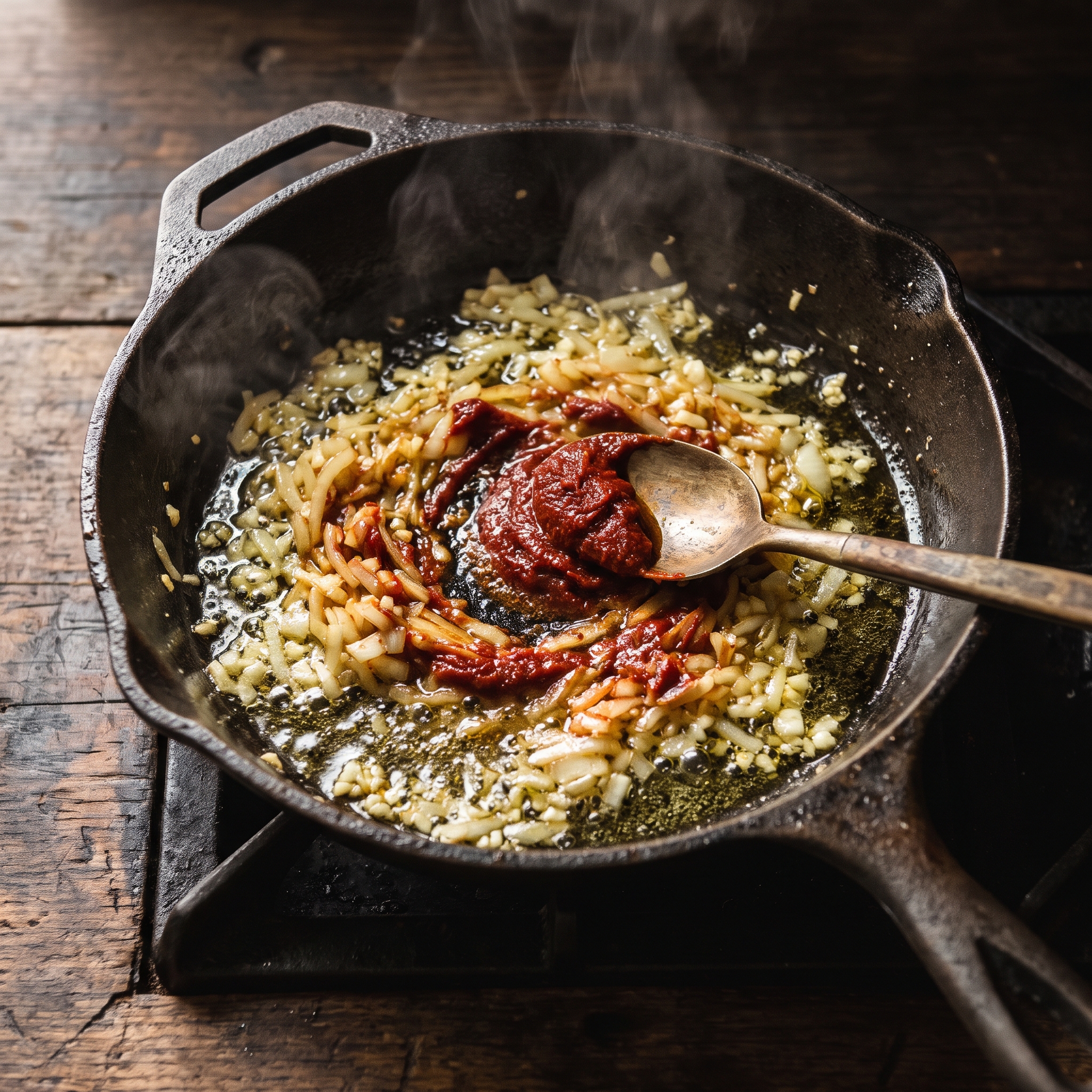
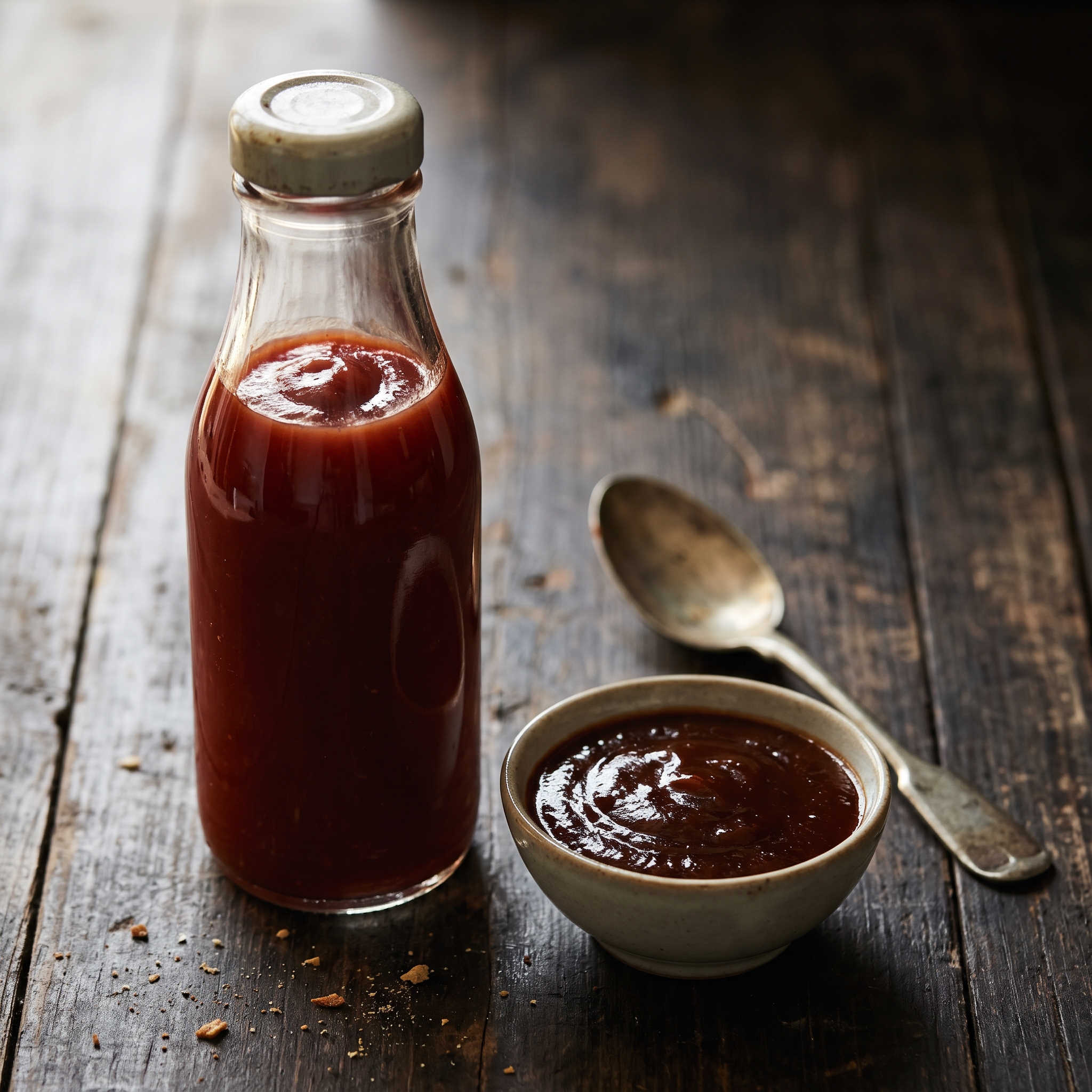
Suitable For
Available Package & Sizes
Small
Standard
Catering
Small
Medium
Large
Nutritional Facts
Energy
Fat
of which saturates
Carbohydrate
of which sugars
Protein
Salt
Reading the Brix Number
The number on a tomato paste is the percentage of tomato solids left after the water has been boiled off. At 18/20 roughly a fifth of what is in the tin is tomato; at 28/30 it is closer to a third. Everything else about the product is the same fruit.
That number is what the buyer is actually paying for. A tin of 28/30 carries about half as much again as a tin of 18/20 at the same weight, so the price per tin and the price per tonne of tomato solids are two different calculations. Importers who buy on price per tin and then dilute on arrival usually end up ahead with the higher grade.
Where the lower grades make sense is when the paste goes into the pack as it comes. A retail tin that a household opens and spoons straight into a pot does not need a third of its weight in solids; it needs something that spreads. The 18/20 and 20/22 grades are built for that shelf.
The 28/30 grade is the export standard. It is the grade most manufacturers specify when they are reconstituting on their own line, and the one with the lowest freight cost per tonne of tomato.
Tin or Jar
Both formats hold the same paste. The container changes the market, not the product.
Metal tin covers the widest range, from a 60 g single-use size up to A12 for catering. The small tins move in the Middle East and Africa where a household buys paste one meal at a time. The 400 g and 800 g sizes are standard retail across most markets. A9, A10 and A12 go to kitchens and production lines.
Glass jar runs from 200 g to 1030 g and sits in markets where the shopper wants to see what is inside, and where a jar that reseals matters more than one that does not. Paste in glass also holds its colour longer on a lit shelf than paste in tin.
A buyer can take both on the same order. The fill is identical and the specification does not change between them, so a mixed container of tins and jars runs off one production batch.
Related Products