Orange NFC Juice 11-12%
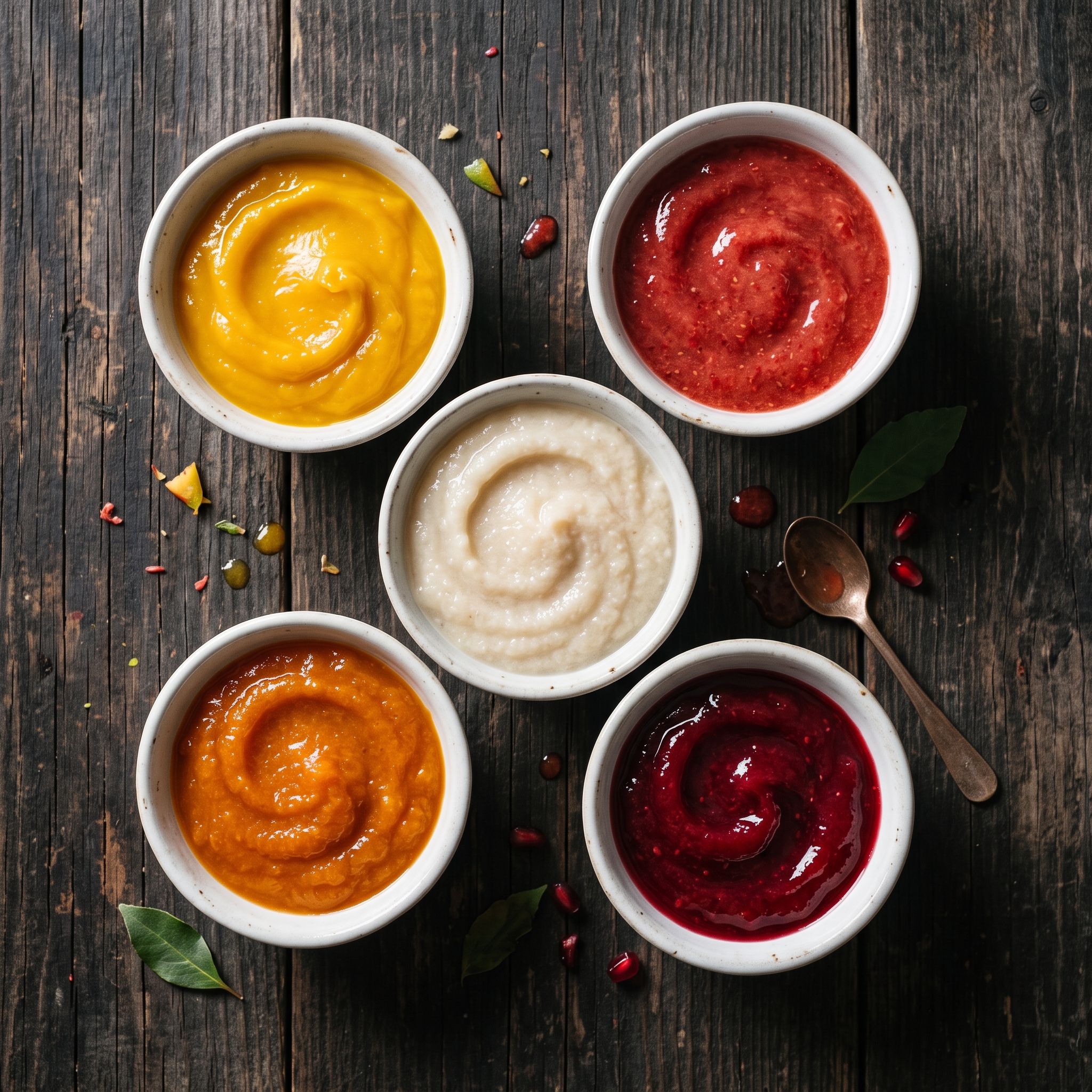
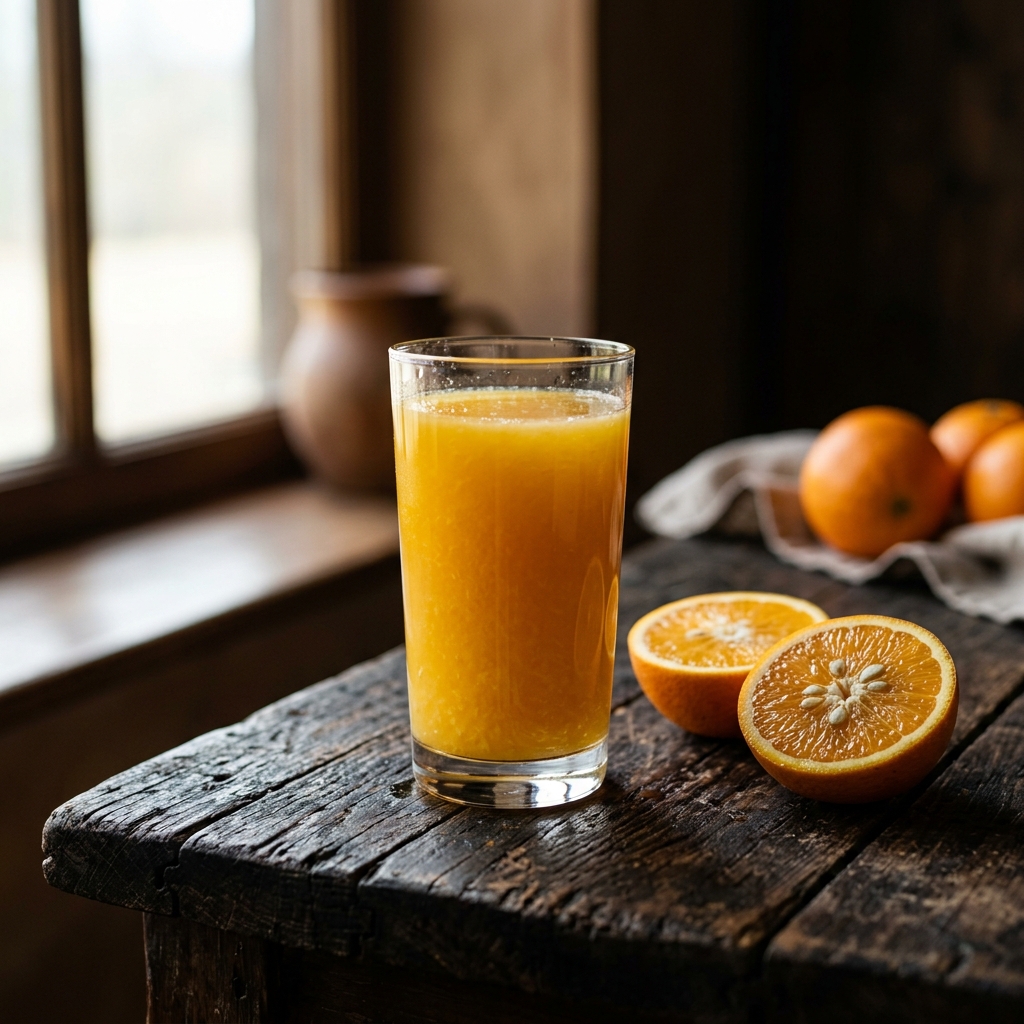
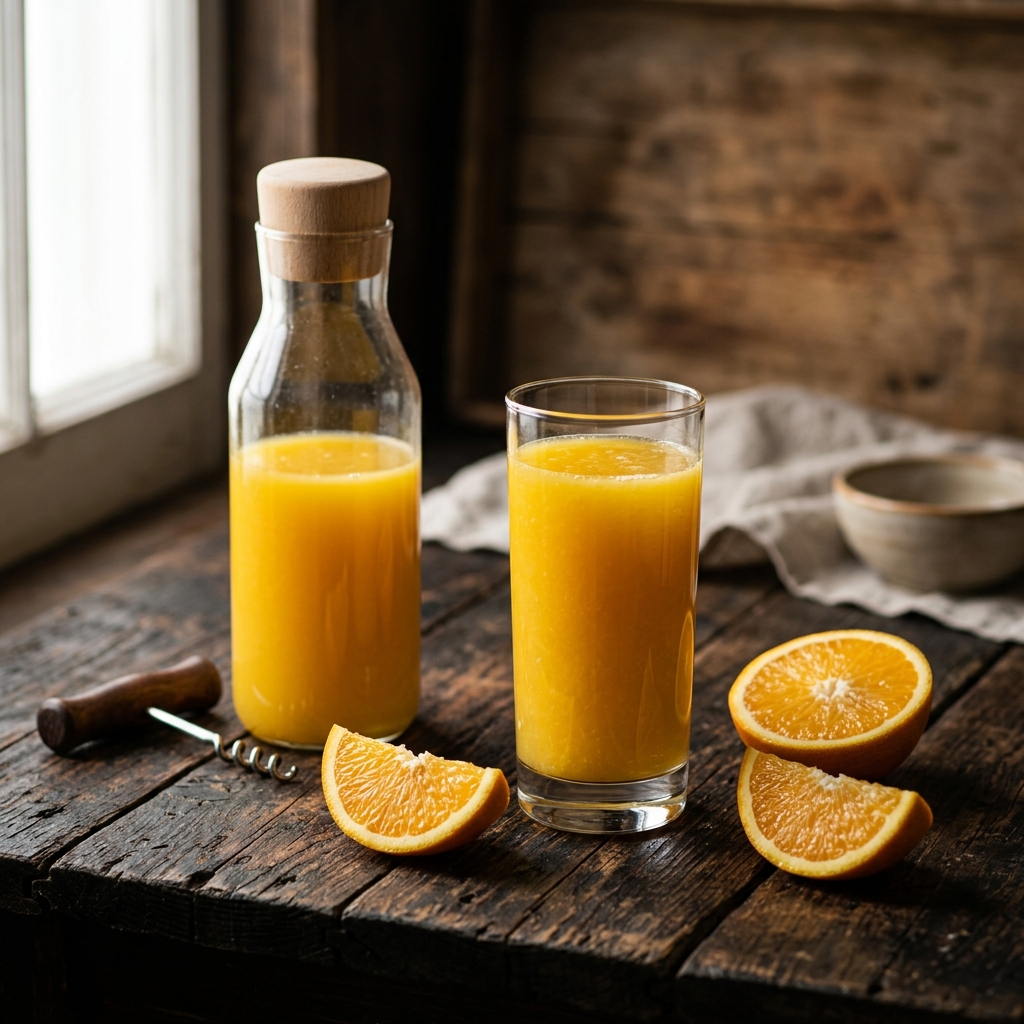
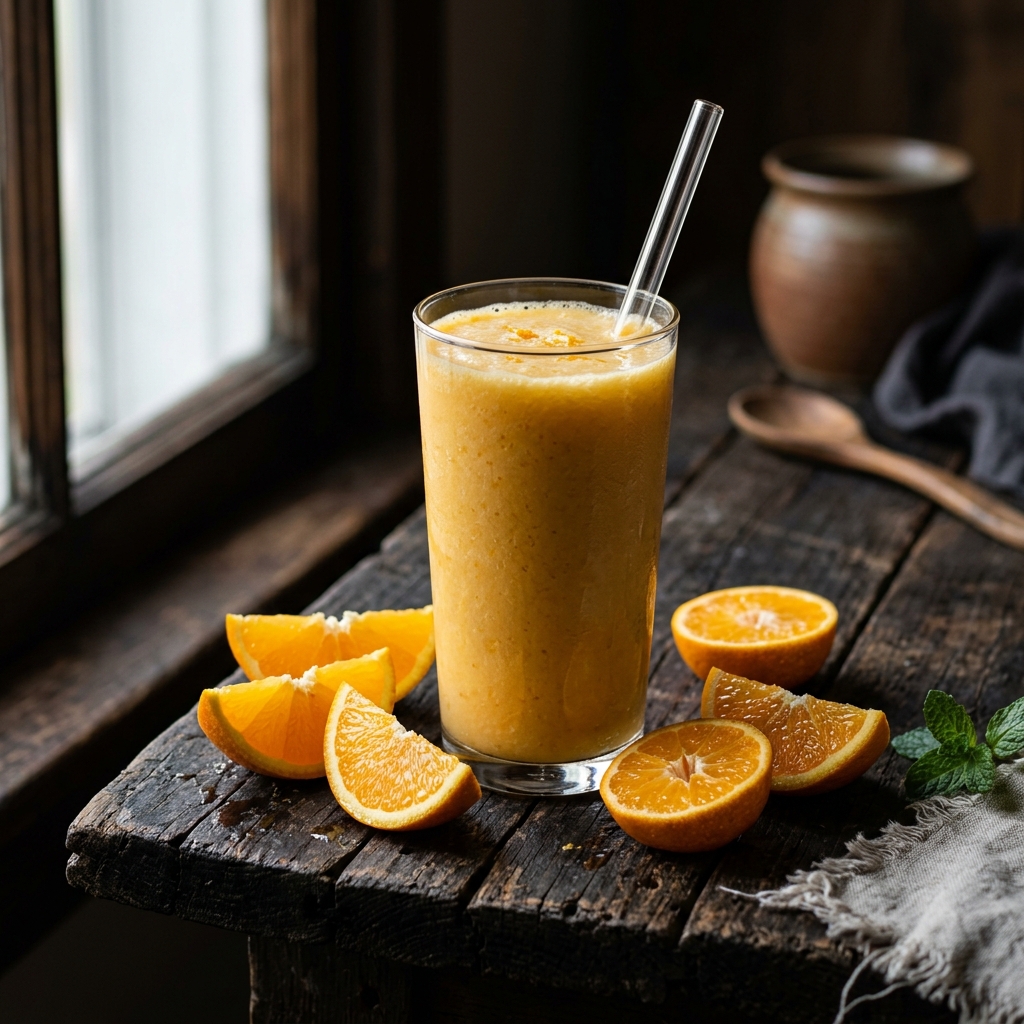
IQG Foods produces not-from-concentrate orange juice in Egypt at 11-12% Brix. The fruit is squeezed, pasteurised and filtered, then filled into aseptic storage with the oxygen stripped from the product. No water removed, no additives, no preservatives — single-strength juice as it came off the press, held for 18 months at ambient temperature.
Specifications

Suitable For
Packaging
Packaging
Weight
Storage
 20′ FCL
40′ FCL
Packaging
Weight
Per pallet
Storage
20′ FCL · Loose
40′ FCL
Packaging
Weight
Per pallet
Storage
20′ FCL · Loose
40′ FCL
Packaging
Net weight
Dispensing
Storage
What NFC Actually Means
Not from concentrate means the juice was never reduced and rebuilt. It is squeezed, pasteurised, filtered and filled — and what arrives in the drum is what came off the press at 11-12% Brix.
The difference shows in the aroma. Concentrating juice means boiling water out under vacuum, and the volatile compounds that make orange smell like orange leave with that water. Recovering them is a separate industrial step, and the result is never quite the original.
NFC skips the question entirely. There is nothing to recover because nothing was removed.
What it costs is freight. A tonne of NFC is roughly 88% water, and that water ships at the same rate as the solids. A buyer choosing NFC over concentrate is paying more per tonne of fruit to keep a flavour profile that cannot be reconstructed — which is exactly why premium beverage brands specify it.
Oxygen is stripped from the product during aseptic filling, which is what allows an unconcentrated juice to hold 18 months at ambient temperature without preservatives.
Six Months of Egyptian Citrus
Egyptian orange runs from December through May. Six months — longer than any other crop we process, and more than twice the window of most.
For a juice buyer that length matters in a way it does not for purée. NFC carries the character of the fruit it was pressed from, and fruit character shifts across a season as the crop matures. A six-month window means we can press at the point in the season that suits a given specification rather than taking whatever the single harvest week gives.
The Brix-acid ratio of 11 to 17 is the figure to read. At the low end the juice is sharper and suits blending with sweeter fruit; at the high end it is rounder and works as a standalone drink. Both come from the same orchards at different points in the season.
Acidity runs 0.70 to 1.0 with pH between 3.30 and 3.70 — the natural range for Egyptian orange, with no acid correction applied.
Related Products