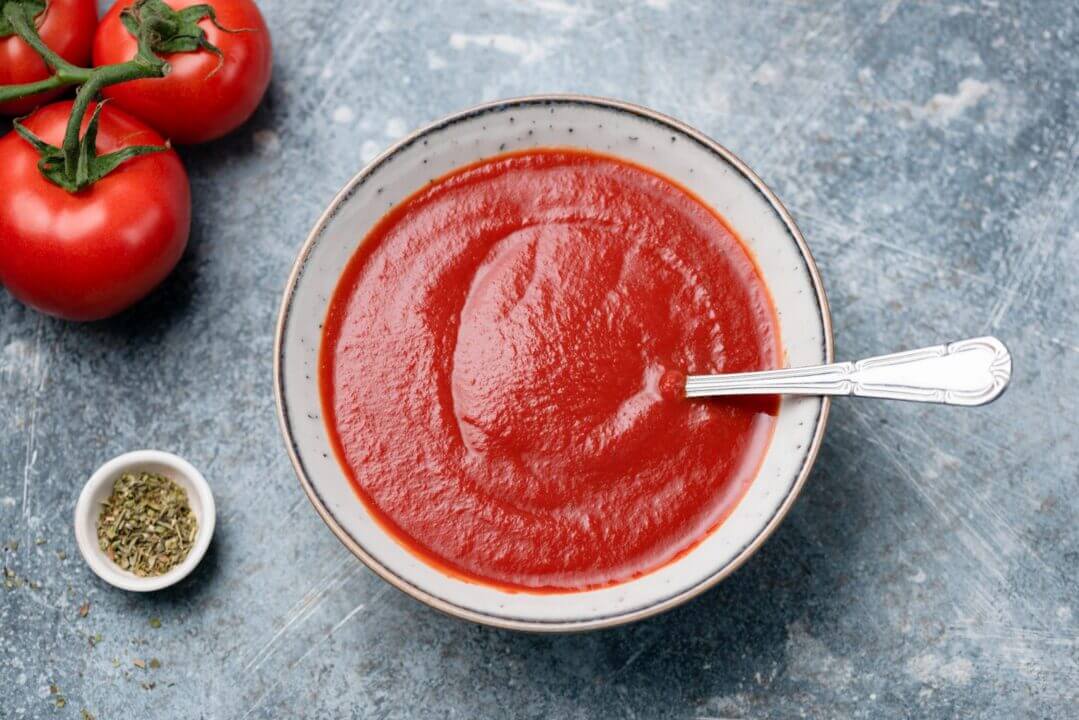
Tomato Paste Super Hot Break 28-30%
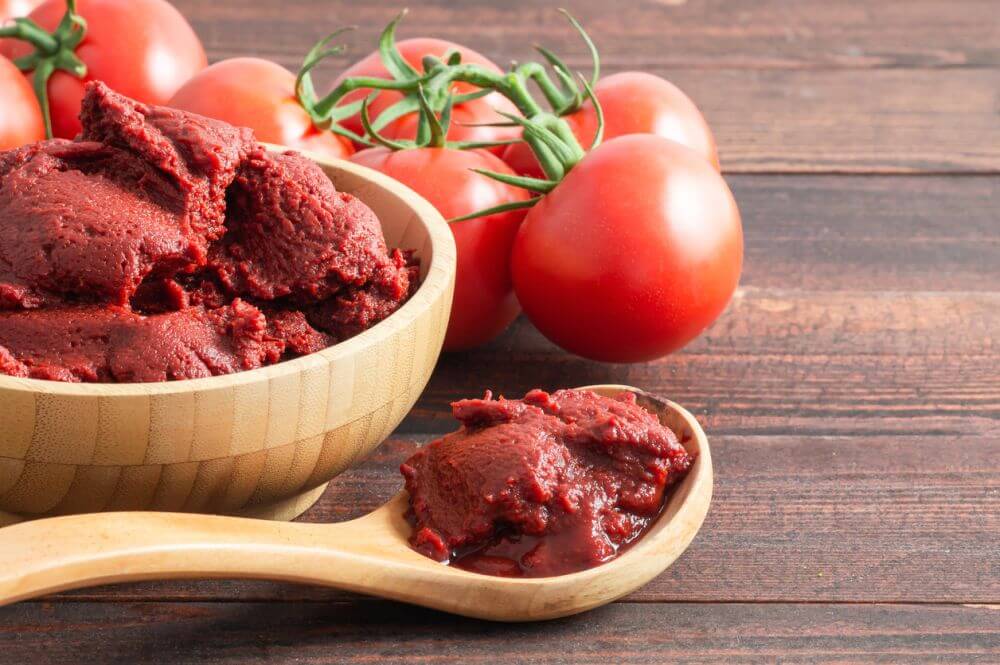
Super hot break tomato paste at 28-30% Brix, produced from Egyptian tomatoes harvested at full maturity. The extraction runs hotter and faster than standard hot break, deactivating pectin-degrading enzymes almost instantly and producing the thickest body in our range — Bostwick 2.5 to 4.0 cm at 12.5 Brix. Packed aseptically without additives or preservatives.
Specifications




Suitable For

Packaging
Packaging
Weight
Storage
 20′ FCL
40′ FCL
Packaging
Sizes
Storage
20′ FCL · Loose
40′ FCL · 21 Pallets
 Wooden Ton Bins
Packaging
Weight
Storage
20′ FCL
40′ FCL
Why Super Hot Break
Hot break works by heating the tomato mash fast enough to kill the pectinase enzymes before they can start dismantling the fruit’s natural pectin. Super hot break pushes that logic to its limit — a higher inactivation temperature applied in a shorter window, so even less pectin is lost between the crusher and the evaporator.
The result shows up directly in the Bostwick reading. Standard hot break runs 4.0 to 6.0 cm at 12.5 Brix. Super hot break runs 2.5 to 4.0 cm. In practical terms that means a paste which holds its structure through dilution, cooking and pasteurisation without needing added hydrocolloids to rebuild body that was destroyed upstream.
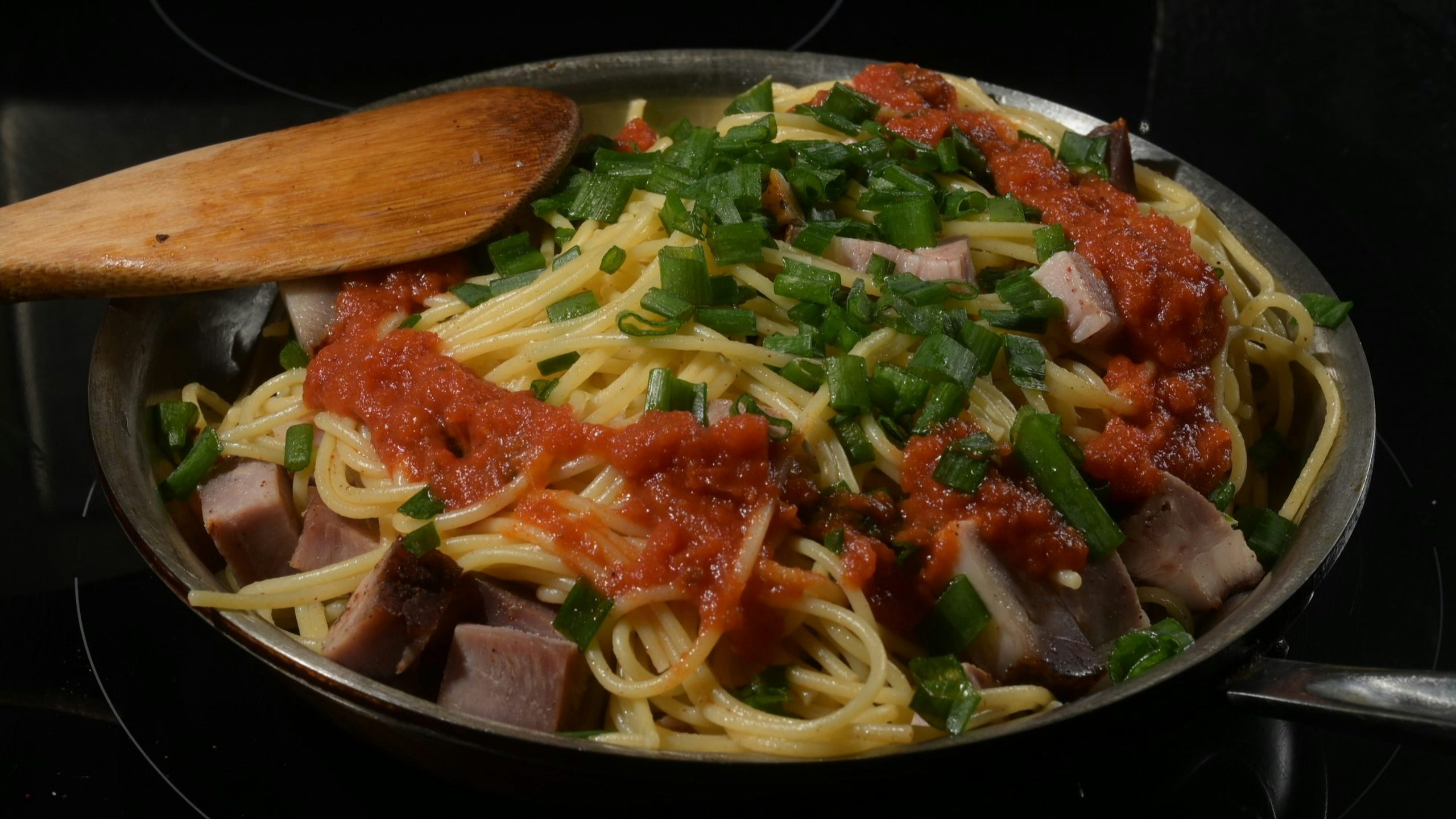
For ketchup producers this is the specification that decides formulation cost. A thicker base lets you hit target viscosity at a lower paste inclusion rate, or reach a premium consistency without reformulating. The same applies to pizza sauce, where a thin base bleeds into the dough and a thick one sits where it was spread.
The trade-offs are honest ones. Colour runs slightly deeper and less bright at a/b 1.80 to 2.00, and the mesh screen at 0.8 to 1.5 mm is coarser than our cold break line. Neither limits a cooked, seasoned end product — and for anything consumed as a sauce rather than a juice, body is what the buyer is paying for.
Every batch is produced from fresh Egyptian tomatoes without additives or preservatives, in conformity with Egyptian Quality Standards No. 132-1/2015, and filled aseptically for a 24-month ambient shelf life.
Eight Months of Fresh Crop
Viscosity is the first thing to drift when paste sits in storage. Pectin chains keep breaking down slowly even after the enzymes are deactivated, so a super hot break paste pressed eighteen months ago will not test the same as one pressed last month. For a product whose entire value sits in its Bostwick reading, that matters more than it does elsewhere in the range.
Egypt’s three harvests — winter from January to March, summer from June to August, and the Nile crop from November to December — mean fresh fruit runs through the line across eight months of the year. Shorter gaps between pressing and shipping translate directly into tighter viscosity consistency on arrival.
IQG Foods grows tomatoes on its own farms alongside contracted growers. That control over variety and timing is what lets us hold a 2.5 to 4.0 cm Bostwick band across seasons rather than quoting a wider range to cover storage drift.
Related Products